
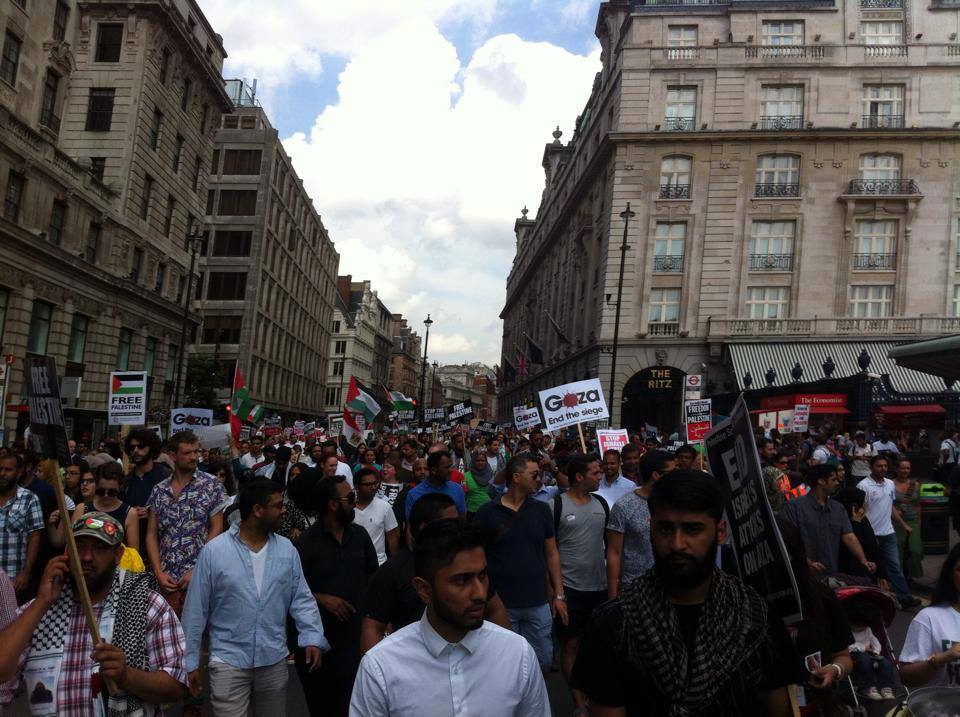
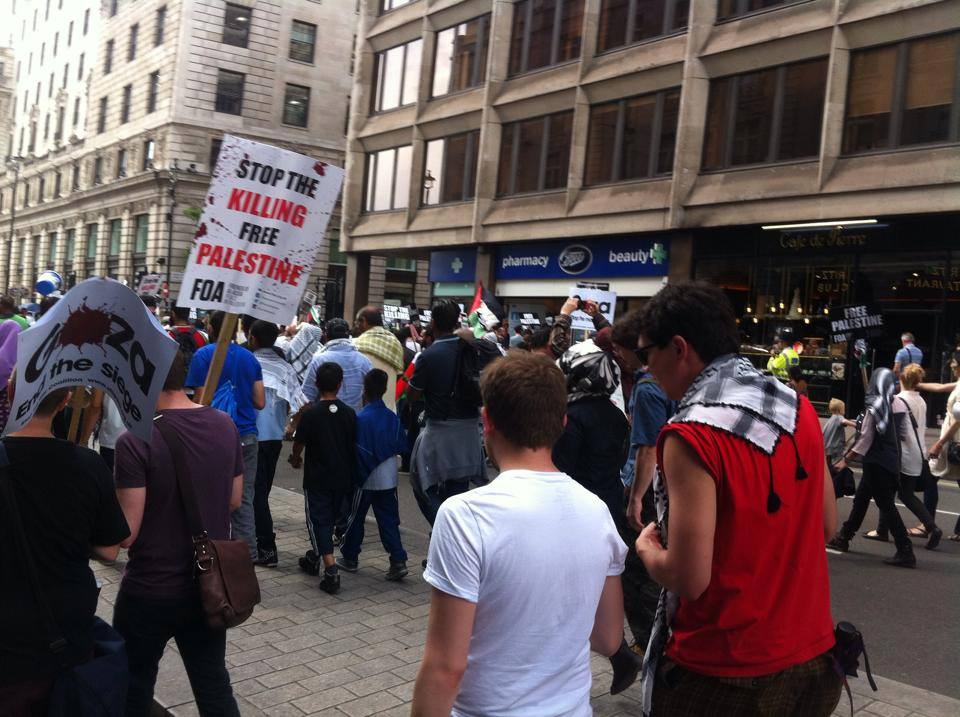
Protests against Israeli bombing to Gaza. Glasgow and Bristol, 19th July. Free Palestine!
Posted: July 21, 2014 Filed under: Uncategorized Leave a comment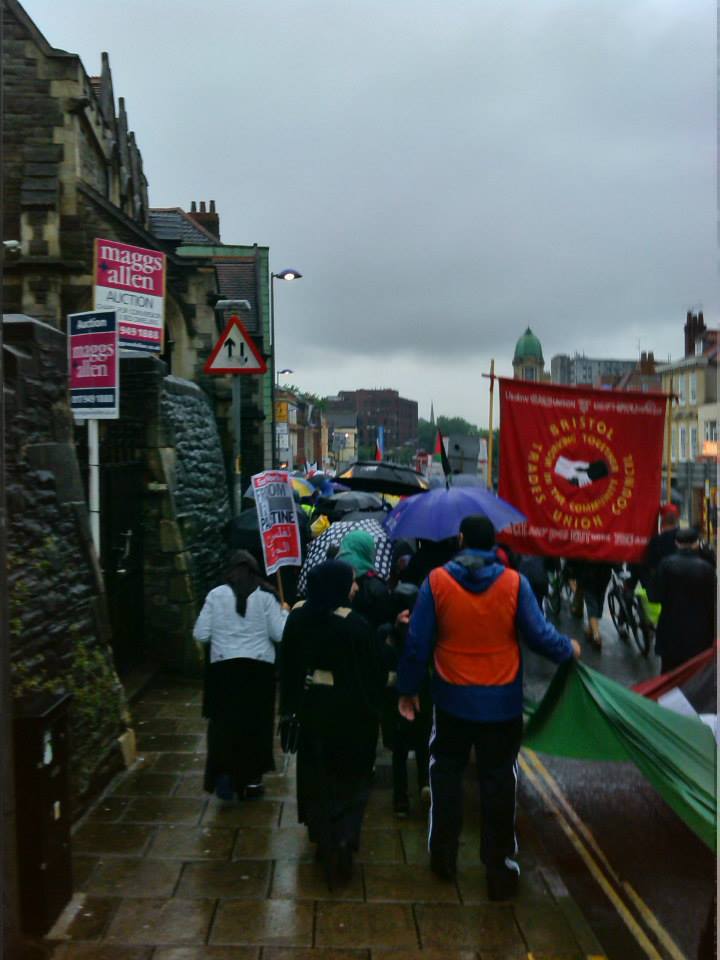
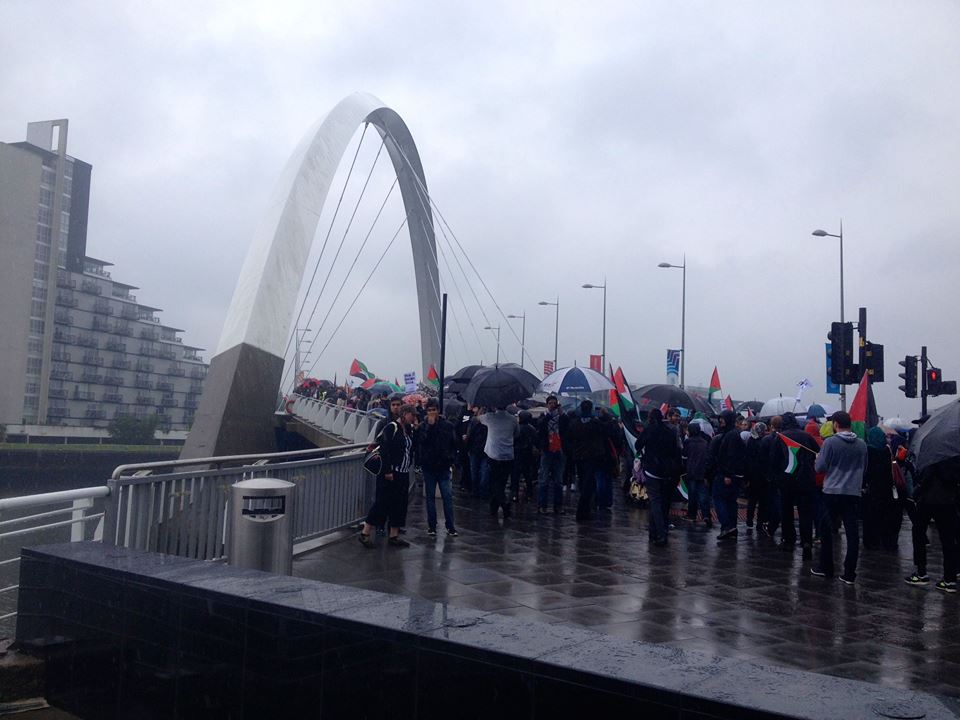
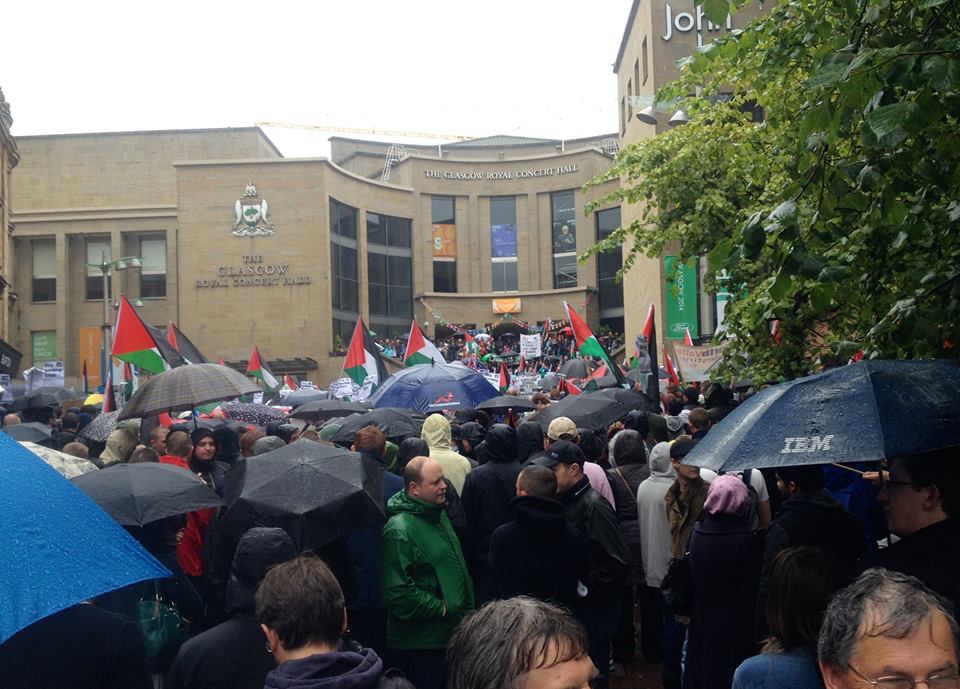
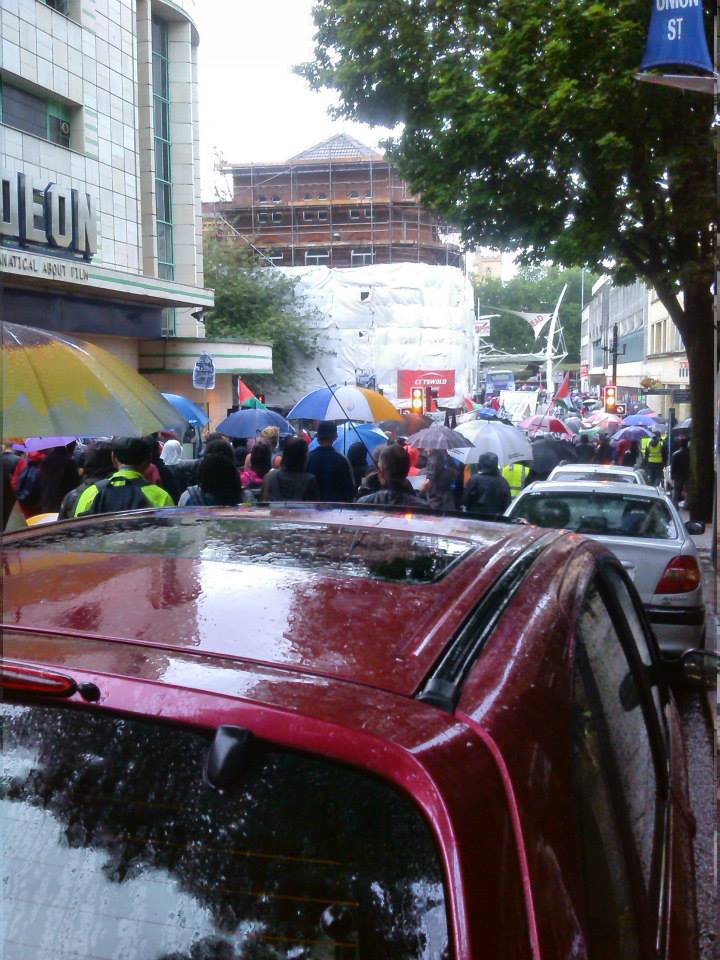
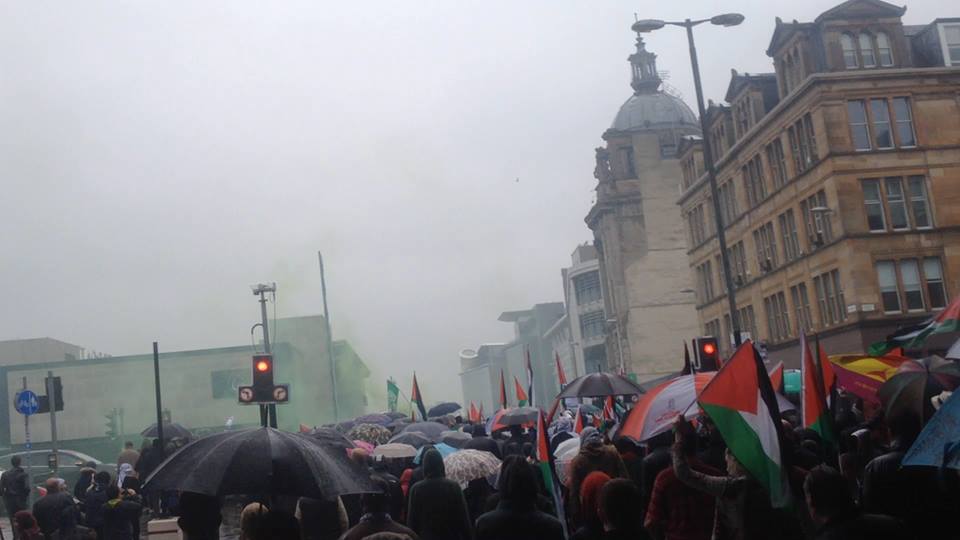
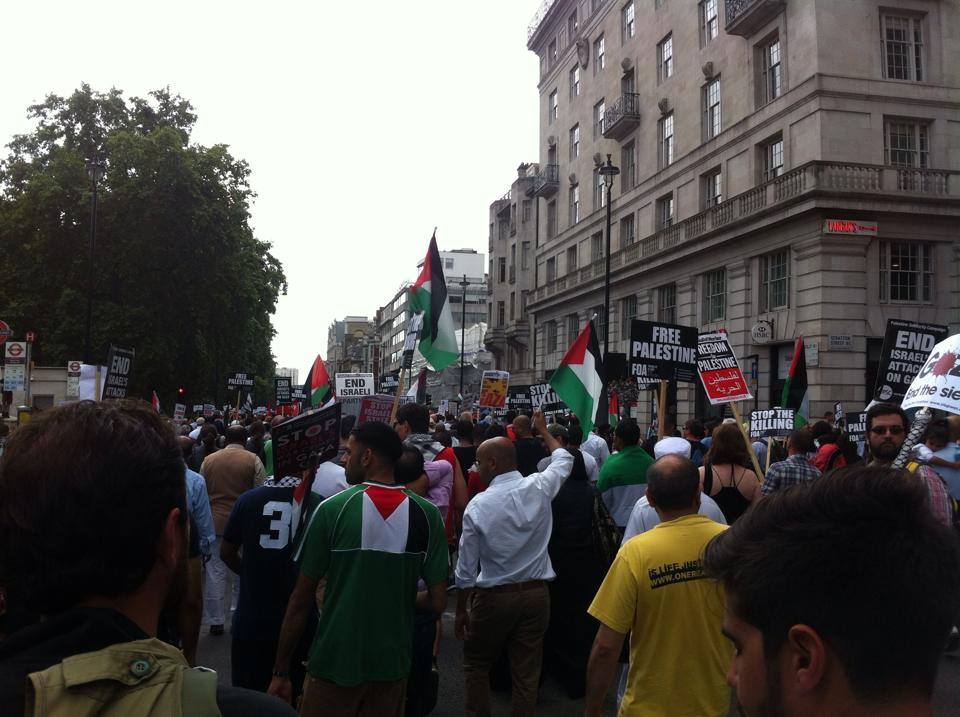
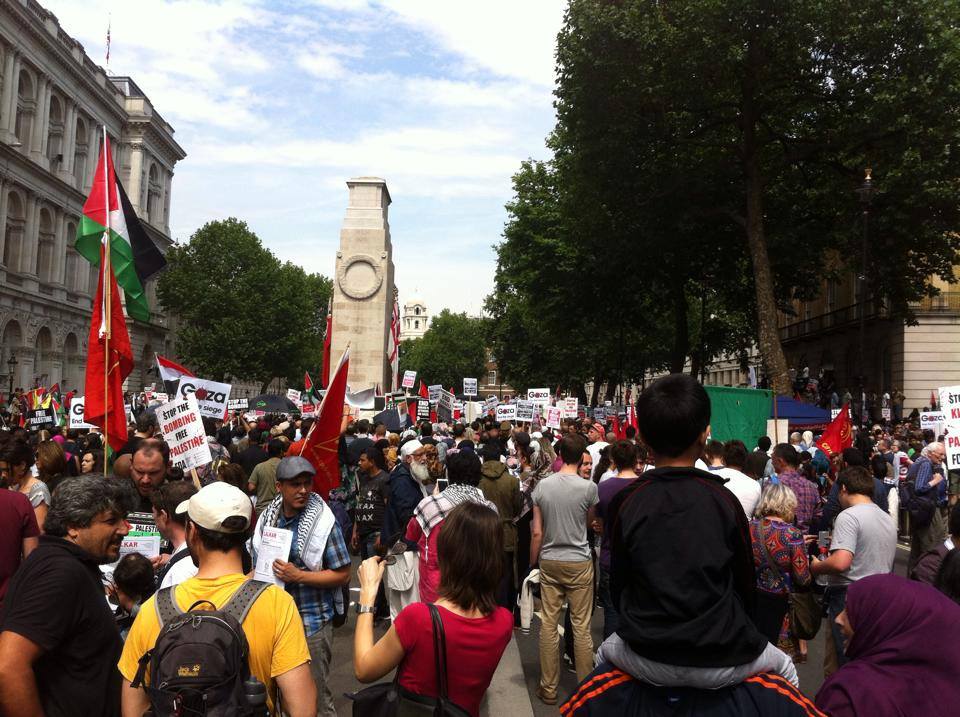
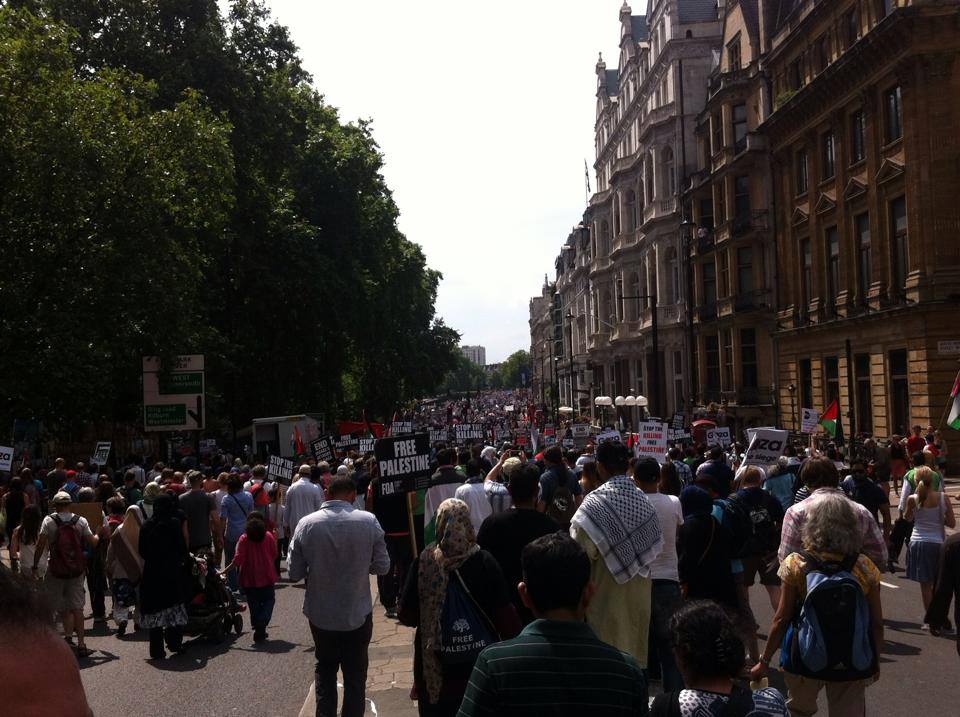
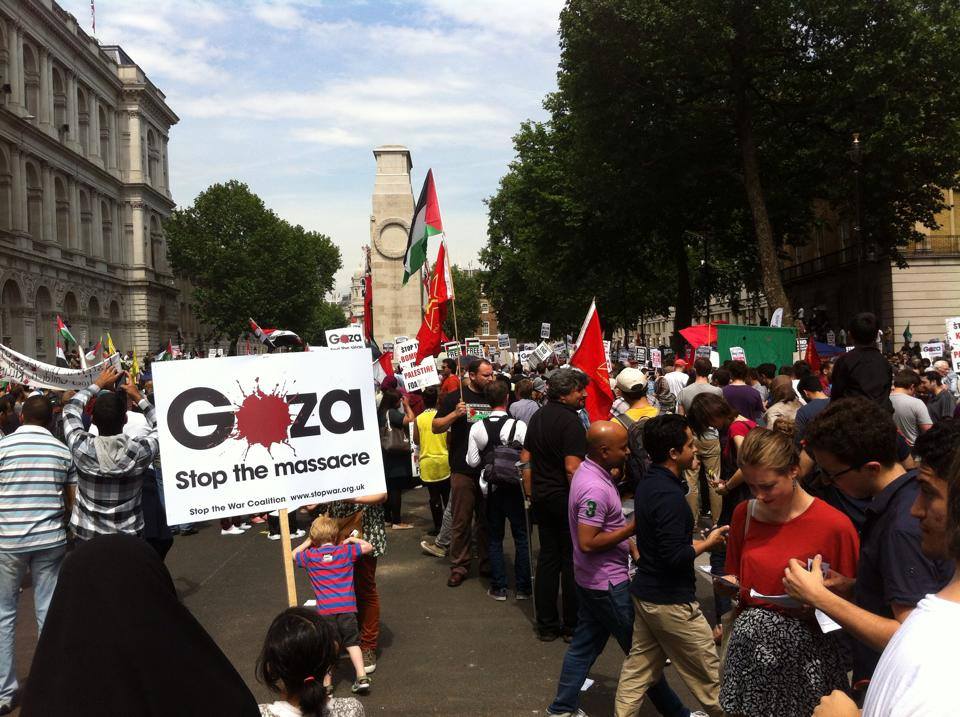
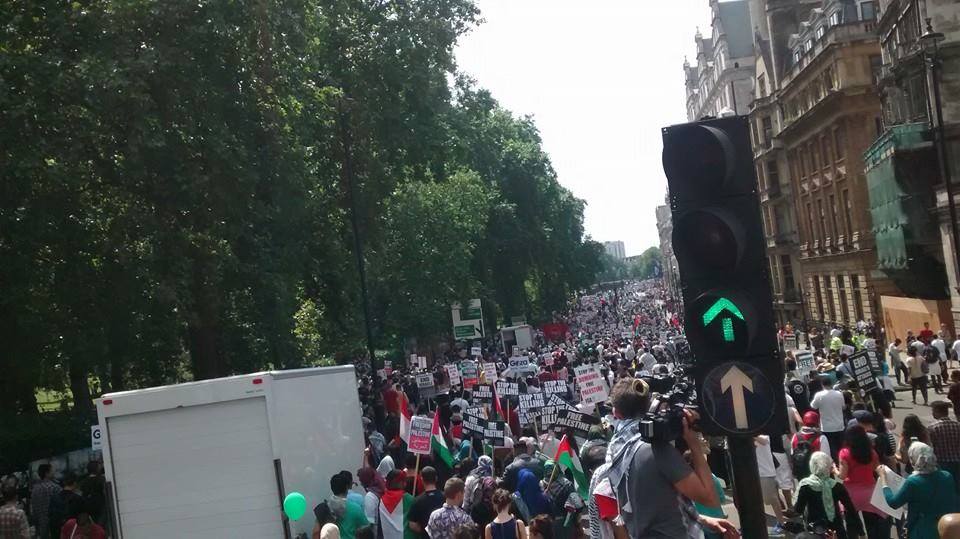
Huge march and protest in London against the Israeli bombing to Gaza, 19th July. Free Palestine
Posted: July 21, 2014 Filed under: Uncategorized Leave a comment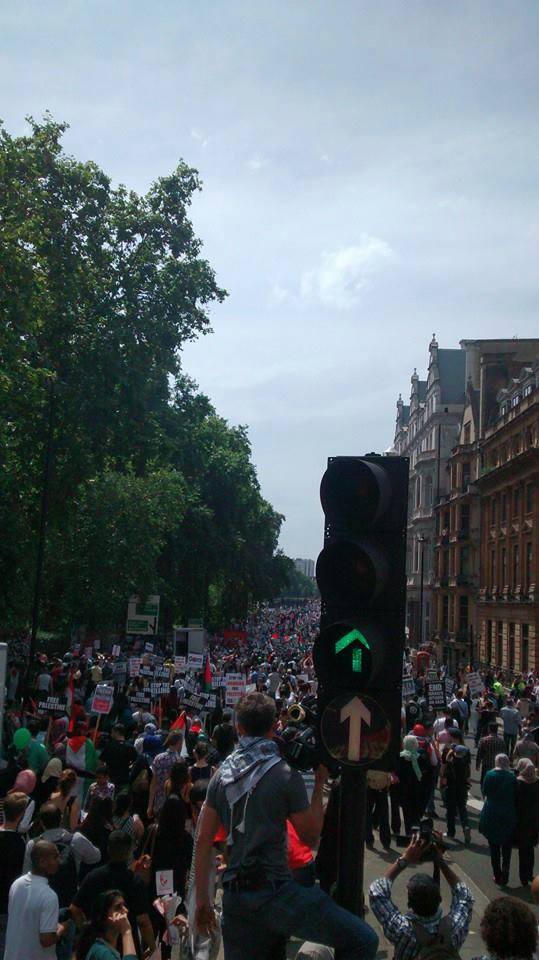
On the 10th of July we strike!
Posted: July 8, 2014 Filed under: Uncategorized Leave a commentThe 10th of July is a very significant date for the labour movement in the UK. More than two million workers are expected to go on strike on that day protesting against the austerity policies of the coalition government. UNISON, UNITE, NUT have already decided to take part in this important strike action. This action comes only 20 days after the The No More Austerity National Demonstration when tens of thousands of demonstrators gathered and marched in Central London. These actions are coming against the austerity policies of the coalition government which dictate the unequal treatment of the socio-economic classes and the continuation of the attack on labour, health and education.
It has been almost six years since the current capitalist crisis emerged, a crisis of falling profit rates for the capitalists and huge losses for them. The governments and the EU made their decision on the way that they would confront this situation very early. Already in 2008, and during the following six years, the governments in the UK and other EU Member States have been implementing austerity policies and budget cuts in the overall context of protecting the strong and attacking the vulnerable classes.
This situation is not really unknown to the British society. In fact, the huge social inequalities were persistent in the UK in the pro-crisis period. These inequalities have deepened since Cameron’s government’s onslaught against workers and youth. This attack has been expressed by implementing the bedroom tax, allowing Transnational Corporations to operate with a very low taxation rate, putting the National Health System on a fast track of privatization and increasing the tuition fees in tertiary education. Undoubtedly, the Government Austerity Program sacrifices the welfare state in the name of the current account deficit and increasing capitalist profit rate.
The role of the European integration (European Union and Eurozone) is pivotal regarding these procedures. The EU (together with the International Monetary Fund) has been directing this attack in all of its Member States and especially in the periphery (Greece, Portugal, Ireland, Spain). Therefore, in the overall struggle for a society without exploitation fighting against the EU and the Eurozone is necessary and crucial. This is much more important for the British society where the euro-sceptic racist and far-right party of UKIP was the winner of the euro-elections by absorbing people’s disapproval towards the European integration. However, UKIP seeks to enhance the role of the nation-state in a framework of wider capitalist alliances and seems to be supported by basic parts of the British capital leading to an anti-labour rationale.
The labour and student movements need to continue and strengthen their struggle against the coalition government and broaden the fight against the far-right UKIP and the EU in a wider anti-capitalist direction. Not from a nationalistic point of view, but on the basis of a different, internationalist, framework for cooperation and solidarity between the peoples of Europe, in their own interest not in the interest of capital. Workers and students globally should join the labour and student unions and become active members. The unions need to act in a primary level with assemblies in every workplace and university and give to the workers and students the opportunity to get involved in the decision-making process, organise their struggle and take their lives into their own hands. Strikes and demonstrations are the only way to win! The 10th of July should be only the beginning of a new series of strikes, demonstrations and action against those who destroy our lives.
The resistance against austerity policies and restructures is urgent. ANTARSYA UK, the English branch of the Greek anti-capitalist front, supports the national strike and calls for solidarity and active participation in the strike and protest on the 10th of July. This national strike is a great chance for continuing and strengthening the struggle!
10th July, National Day of strike action! Take part, strike, join the struggle!
ANTARSYA UK
No More Austerity! No more EU! No more exploitation! On 21st June we continue the struggle!
Posted: June 17, 2014 Filed under: Uncategorized Leave a comment
The No More Austerity National Demonstration is about to take place just one month after the euro-elections and the expression of the big disapproval in the policies implemented the last three years by the coalition government. It has been just three months since the new annual budget was established. The new budget dictates the maintenance of the policies of austerity, the unequal treatment of the socio-economic classes and the continuation of the attack on labour, health and education. It has been almost six years since the current capitalist crisis emerged, a crisis of falling profit rate for the capitalists and huge losses for them. The governments and the EU made their decision on the way that they would confront this situation very early. Already in 2008, and in the following six years, the governments in the UK and other EU Member States have been implementing austerity policies and budget cuts in the overall context of protecting the strong and attacking the vulnerable classes.
This situation is not really unknown for the British society. In fact, the huge social inequalities had been persistent in the UK in the pro-crisis period. These inequalities have deepened since Cameron’s government’s onslaught against workers and youth. This attack has been expressed by implementing the bedroom tax, allowing Transnational Corporations to operate with a very low taxation rate, putting the National Health System on a fast track of privatization and increasing the tuition fees in tertiary education. Undoubtedly, the Government Austerity Program sacrifices the welfare state in the name of the current account deficit and increasing capitalist profit rate.
The role of the European integration (European Union and Eurozone) is pivotal regarding these procedures. The EU (together with the International Monetary Fund) has been directing this attack in all of its Member States and especially in the periphery (Greece, Portugal, Ireland, Spain). Therefore, in the overall struggle for a society without exploitation fighting against the EU and the Eurozone is necessary and crucial. This is much more important for the British society where the euro-sceptic racist and far-right party of UKIP was the winner of the euro-elections by absorbing people’s disapproval towards the European integration. However, UKIP seeks to enhance the role of the nation-state in a framework of wider capitalist alliances and seems to be supported by basic parts of the British capital leading to an anti-labour rationale.
The labor and student movements need to continue and strengthen their struggle against the coalition government and broaden the fight against the far-right UKIP and the EU in a wider anti-capitalist direction. Workers and students globally should join the labour and student unions and become active members. The unions need to act in a primary level with assemblies in every workplace and university and give to the workers and students the opportunity to get involved in the decision-making process, organise their struggle and take their lives into their own hands. Strikes and demonstrations are the only way to win!
The resistance against austerity policies and restructures is urgent. ANTARSYA UK supports the ‘No More Austerity’ National Demonstration and calls for solidarity and active participation in the protest on the 21st of June. The No More Austerity National Demonstration is a great chance for continuing and strengthening the struggle!
No More Austerity National Demonstration, Saturday 21st June, 13.00, Portland Square, London
ANTARSYA UK
Στις Ευρωεκλογές να κάνουμε ΑΝΤΑΡΣΥΑ!
Posted: May 23, 2014 Filed under: Uncategorized Leave a commentΕΜΠΡΟΣ ΛΑΕ,
ΚΑΤΩ Η ΚΥΒΕΡΝΗΣΗ – ΕΞΩ ΑΠΟ ΤΗΝ ΕΕ ΤΗΣ ΦΤΩΧΙΑΣ, ΤΗΣ ΑΝΕΡΓΙΑΣ, ΤΟΥ ΡΑΤΣΙΣΜΟΥ, ΤΟΥ ΑΥΤΑΡΧΙΣΜΟΥ, ΤΗΣ ΣΤΥΓΝΗΣ ΕΠΙΤΡΟΠΕΙΑΣ.
ΓΙΑ ΕΝΑΝ ΑΛΛΟ ΔΡΟΜΟ ΧΩΡΙΣ ΧΡΕΟΣ ΚΑΙ ΜΝΗΜΟΝΙΑ, ΧΩΡΙΣ ΕΥΡΩ ΚΑΙ ΕΕ.
ΓΙΑ ΜΙΑ ΑΝΤΙΚΑΠΙΤΑΛΙΣΤΙΚΗ ΑΠΑΝΤΗΣΗ ΣΤΗΝ ΚΡΙΣΗ ΜΕ ΒΑΣΗ ΤΙΣ ΕΡΓΑΤΙΚΕΣ ΚΑΙ ΛΑΪΚΕΣ ΑΝΑΓΚΕΣ ΚΑΙ ΔΙΚΑΙΩΜΑΤΑ.
ΓΙΑ ΤΗΝ ΕΞΟΥΣΙΑ ΤΩΝ ΕΡΓΑΖΟΜΕΝΩΝ, ΓΙΑ ΝΑ ΠΑΡΕΙ Ο ΚΟΣΜΟΣ ΤΗΣ ΔΟΥΛΕΙΑΣ ΤΟ ΤΙΜΟΝΙ ΤΗΣ ΟΙΚΟΝΟΜΙΑΣ ΚΑΙ ΤΗΣ ΚΟΙΝΩΝΙΑΣ ΣΤΑ ΧΕΡΙΑ ΤΟΥ
Εργαζόμενες / εργαζόμενοι,
Η προεκλογική περίοδος ανοίγει με την άθλια κυβέρνηση Σαμαρά Βενιζέλου σε κρίση και αποσταθεροποίηση. Τα τελευταία γεγονότα δείχνουν τον βαθύ εναγκαλισμό κυβέρνησης- Χρυσής Αυγής. Εξηγούν την ασυλία της εγκληματικής αυτής Χρυσής Αυγής για χρόνια. Επιβεβαιώνουν τις πλάτες της μέσα στις δυνάμεις του κράτους και της εξουσίας. Παράλληλα οι εργατικές και λαϊκές αντιστάσεις δεν κοπάζουν. Με τις εργαζόμενες και τους εργαζόμενους στους δρόμους να παλεύουν για να τελειώσουνε με την πολιτική, των απολύσεων, της φτώχειας, και του αυταρχισμού που επιβάλλουν Σαμαράς-Βενιζέλος-ΕΕ-ΔΝΤ, αλλά και με την ίδια την κυβέρνηση ΝΔ-ΠΑΣΟΚ.
Στις τριπλές εκλογές του Μαΐου θα κριθεί αποφασιστικά αν:
θα συνεχιστεί ο καταστροφικός «ευρωπαϊκός δρόμος» των μνημονίων, της επίθεσης του κεφαλαίου, της φτώχειας και της ανεργίας, της επιτήρησης, της κατάλυσης κάθε έννοιας δημοκρατίας και λαϊκής κυριαρχίας, που ακολουθούν οι καθεστωτικές πολιτικές δυνάμεις, αλλά και ο συμβιβασμός και η υποταγή σε αυτόν τον δρόμο που ακολουθεί και η αξιωματική αντιπολίτευση.
ή
θα ενισχυθούν οι δυνάμεις που παλεύουν για την ανατροπή αυτής της πολιτικής, για έναν πραγματικά άλλο αντικαπιταλιστικό δρόμο στην ελληνική κοινωνία σε σύγκρουση με τις δυνάμεις του κεφαλαίου, έξω από την φυλακή των μνημονίων και του χρέους, του ευρώ και της ΕΕ, με του εργαζόμενους στο τιμόνι.
Οι καθεστωτικές δυνάμεις, πρώτα από όλα η ΝΔ και το ΠΑΣΟΚ με την «κεντροαριστερά», όλος αυτός ο εσμός τοξικομανών της εξουσίας, θα κάνουν τα πάντα για να παραμείνουν στην εξουσία και να συνεχίσουν το καταστροφικό τους έργο.
Η δολοφονική νεοναζιστική συμμορία της Χρυσής Αυγής θα προσπαθήσει να νομιμοποιηθεί.
Τα «Ποτάμια», οι «Ελιές» και όλες οι άλλες μεταμορφώσεις της κυρίαρχης πολιτικής θα προσπαθήσουν να ξαναγυρίσουν την λαϊκή δυσαρέσκεια, από άλλα μονοπάτια στην κοίτη της κυρίαρχης πολιτικής.
ΜΑΥΡΙΖΟΥΜΕ
– Την άθλια συγκυβέρνηση ΝΔ-ΠΑΣΟΚ. Τιμωρήστε την αδίσταχτη πολιτική τους. Να μην προλάβουν να εφαρμόσουν το καταστροφικό νέο μνημόνιο που υπέγραψαν!
– Την νεοναζιστική συμμορία της Χρυσής Αυγής. Τους φονιάδες του Φύσσα και του Λουκμάν. Τους υποστηριχτές των τραπεζιτών και των εφοπλιστών, την σιδερένια εφεδρεία του κεφαλαίου. Τους συνομιλητές του Σαμαρά και της κυβέρνησης.
– Τις «εναλλακτικές» καθεστωτικές λύσεις όπως το «Ποτάμι», η ΔΗΜΑΡ ή οι ΑΝΕΛΛ.
ΞΕΠΕΡΝΑΜΕ
– Το νέο εκβιαστικό δίλημμα «ΣΥΡΙΖΑ ή Δεξιά», που προβάλλει η ηγεσία του ΣΥΡΙΖΑ, την ίδια στιγμή που προτείνει μια κυβερνητική λύση μέσα στα πλαίσια της ΕΕ και της διαχείρισης του καπιταλισμού και της κρίσης του, δηλώνει ότι αναγνωρίζει και θα πληρώσει το δυσβάσταχτο χρέος, ότι θα «επαναδιαπραγματευθεί» το μνημόνιο. Αυτή η πολιτική θα οδηγήσει αναγκαστικά σε νέους κύκλους λιτότητας και αντιλαϊκών μέτρων, ταυτίζοντας δραματικά την Αριστερά με την κυρίαρχη πολιτική.
-Την ρηχή και αδιέξοδη αντιπολίτευση του ΚΚΕ, που συστηματικά μένει έξω από τους μεγάλους αγώνες, παραπέμπει την ανάγκη για μεγάλες ανατροπές για το άγνωστο μέλλον της λαικής εξουσίας – συμμαχίας στο όνομα των «αρνητικών κοινοβουλευτικών συσχετισμών», επενδύει στην ηττοπάθεια και την διάσπαση του μαχόμενου κόσμου!
ΕΝΙΣΧΥΟΥΜΕ ΤΗΝ ΑΝΤΑΡΣΥΑ ΣΤΙΣ ΕΥΡΩΕΚΛΟΓΕΣ,
Για να ενισχυθούν οι δυνάμεις:
-που από την αρχή βρέθηκαν αδιαπραγμάτευτα στην πρώτη γραμμή του αγώνα, στις απεργίες, στις Πλατείες της οργής, στην αλληλεγγύη, στην αντιφασιστική και αντιρατσιστική πάλη
-που παλεύουν για την ανατροπή της επίθεσης κεφαλαίου-ΕΕ-ΔΝΤ και της κυβέρνησης που την εφαρμόζει.
-που παλεύουν για την έξοδο από την ευρωζώνη και την ΕΕ.
-που παλεύουν για ένα συνολικό, αντικαπιταλιστικό πρόγραμμα ως το μόνο ρεαλιστικό δρόμο για έξοδο από την κρίση σε όφελος της εργαζόμενης πλειοψηφίας.
-που παλεύουν για μια άλλη Αριστερά, ανεξάρτητη από το σύστημα αντικαπιταλιστική και επαναστατική, μετωπική και ενωτική. Για την μετωπική συμπόρευση όλων των δυνάμεων που στρέφονται ενάντια στο νέο κοινωνικό μεσαίωνα που μας επιφυλάσσουν, τον ιμπεριαλισμό την ΕΕ, το κεφάλαιο. Για την εξουσία των εργαζόμενων. Για μια σύγχρονη σοσιαλιστική και κομμουνιστική προοπτική
Εργαζόμενες / εργαζόμενοι
Οι φετινές ευρωεκλογές γίνονται μέσα σε συνθήκες βαθιάς οικονομικής και πολιτικής κρίσης. . Η μνημονιακή καταστροφή συνεχίζεται!
Η ανεργία έχει σκαρφαλώσει στο 30%, οι απώλειες στους μισθούς και τις συντάξεις φτάνουν το 50%, εκατοντάδες χιλιάδες σπίτια χωρίς ρεύμα, ανθρωπιστική καταστροφή στη υγεία, δεκάδες χιλιάδες νέοι εγκαταλείπουν τη χωρά παίρνοντας το δρόμο της ξενιτιάς. Δημόσια αγαθά και στρατηγικές υποδομές ξεπουλιούνται. Η βία και τα ΜΑΤ συνοδεύουν κάθε κυβερνητική απόφαση. Το Φαρμακονήσι στοιχειώνει την ρατσιστική πολιτική της κυβέρνησης, και η στέρηση του δικαιώματος ψήφου στις τοπικές εκλογές από τους μετανάστες, μας ξαναγυρνάει 300 χρόνια πίσω στο «δίκαιο το αίματος». Αν και μας έλεγαν ότι όλα τα κάνουν για «να μειώσουν το χρέος», το ελληνικό χρέος εκτινάχτηκε στο 190% του ΑΕΠ.
Το πολυνομοσχέδιο που ψηφίστηκε αποτελεί στην ουσία ένα νέο επαχθές μνημόνιο με μια νέα δανειακή σύμβαση που θα δέσει τον λαό για 50 χρόνια σε ένα καθεστώς σκληρής λιτότητας, βαθιών αντιδραστικών αναδιαρθρώσεων και μόνιμης επιτροπείας.
Τώρα πια ξέρουμε γιατί έγιναν όλα αυτά: Για να σωθούν οι τραπεζίτες -Γάλλοι, Γερμανοί και Έλληνες. Για να σωθεί και να γίνει «ανταγωνιστική» η Ευρωζώνη και η ΕΕ στον παγκόσμιο ανταγωνισμό των πολυεθνικών. Για να πληρώσει η εργατική τάξη και ο λαός την κρίση του καπιταλισμού που ξεκίνησε από τις τράπεζες των ΗΠΑ το 2008 και επεκτάθηκε σαν φωτιά σε όλο τον πλανήτη.
ΕΥΡΩΠΑΙΚΗ ΕΝΩΣΗ: ΦΥΛΑΚΗ ΤΩΝ ΛΑΩΝ
Τα χρόνια της κρίσης και των μνημονίων αποκαλύφθηκε πιο καθαρά ο ρόλος της ΕΕ. Η ΕΕ είναι η βασική δύναμη της μισητής τρόικας. Μαζί με το ΔΝΤ, την κυβέρνηση και τις δυνάμεις του κεφαλαίου έσπειραν τόσα δεινά στον λαό μας:
Η Ευρωπαϊκή Ένωση
- ήταν είναι και θα είναι μηχανισμός του κεφαλαίου και των πολυεθνικών με στόχο την στυγνή εκμετάλλευση των εργαζόμενων στην Ευρώπη. Όλα τα μέτρα υπερεκμετάλλευσης της εργασίας (μείωση μισθών, κατάργηση των συμβάσεων, «ελαστασφάλεια» κ.λπ.) ξεκινάνε από τους κανονισμούς της.
- το ευρώ, το «κοινό νόμισμα» και οι συνθήκες που το συνοδεύουν (Μάαστριχτ, Οικονομική Νομισματική Ένωση κ.λ.π.) είναι όπλο για την επιβολή των πιο αντιδραστικών μέτρων. Συνέβαλε αποφασιστικά στο βάθεμα και στην εξάπλωση της οικονομικής κρίσης. Δεν είναι «εγγύηση σταθερότητας» αλλά παράγοντας εξάπλωσης της κρίσης, της φτώχιας και της εξαθλίωσης.
- μέσα στην ΕΕ προωθείται με συστηματικό τρόπο, με όπλο τις οδηγίες και τις αποφάσεις της, από τα μεγάλα ντόπια και ξένα πολυεθνικά συμφέροντα η καταστροφή ολόκληρων κλάδων παραγωγής, η αναδιάρθρωσή άλλων και η συγκέντρωσή τους στα χέρια των ισχυρών του πλούτου. Αυτό έγινε με την αγροτική παραγωγή (ποσοστώσεις, νέα ΚΑΠ), την κτηνοτροφία (για παράδειγμα η πρόσφατη απόφαση για το γάλα), τα ναυπηγεία, την ΛΑΡΚΟ, την ΔΕΗ, τα φαρμακεία κλπ.
- έχει ρατσιστική πολιτική. Η Ευρώπη- φρούριο («Frontex», Δουβλίνο ΙΙ κλπ) οδηγεί στις Λαμπεντούζες, τα Φαρμακονήσια, τις εκατόμβες μεταναστών και προσφύγων, διαιρεί βαθιά ντόπιους και μετανάστες εργάτες για να κυριαρχεί πάνω σε όλους η εργοδοσία.
- ανοίγει το δρόμο στο φασισμό. Από την Λεπέν μέχρι την Ουκρανία, οι πολιτικές της ευνοούν τους φασίστες. Δεν δίστασε να στηρίξει απροκάλυπτα της φασιστικές συμμορίες στην Ουκρανία για να εξυπηρετήσει τα συμφέροντα των εταιρειών της.
- καταργεί κάθε έννοια δημοκρατίας, και λαϊκής κυριαρχίας. Όλες οι αποφάσεις παίρνονται από τους τραπεζίτες και τις πολυεθνικές, με σκληρή επιτροπεία για όλες τις χώρες
- προωθεί και ενισχύει αποφασιστικά τον ρόλο των ηγεμονικών ιμπεριαλιστικών χωρών και του κεφαλαίου τους, και σε πρώτη γραμμή της Γερμανίας, βαθαίνοντας την ανισοτιμία και τους ανταγωνισμούς. Με την «Κοινή Εξωτερική Πολιτική» προωθούνται ιμπεριαλιστικές στρατιωτικές επεμβάσεις όπως πρόσφατα στην Κεντρική Αφρική.
- καταστρέφει την φύση και το περιβάλλον. Με το άνοιγμα των αγορών προωθεί τα μεταλλαγμένα, τον έλεγχο των πολυεθνικών τροφίμων, την συγκέντρωση της γης σε νέους τσιφλικάδες-αγρότες επιχειρηματίες.
Το νέο ΕΣΠΑ, που παρουσιάζεται σαν πανάκεια «ανάπτυξης», είναι απόλυτα προσανατολισμένο στις ανάγκες των τραπεζιτών και των επιχειρηματιών. Προσανατολίζει την οικονομική και παραγωγική δραστηριότητα στην εξυπηρέτηση των κερδοσκοπικών βλέψεων του ντόπιου και ξένου κεφαλαίου παραβλέποντας για τις πραγματικές κοινωνικές ανάγκες, επιβάλει την ιδιωτικοποίηση δημόσιων αγαθών, συμβάλλει τα μέγιστα στην αποδιάρθρωση των εργασιακών σχέσεων και τον ευτελισμό της αξίας της εργατικής δύναμης (ωφελούμενοι κλπ.). Αποτελείμηχανισμό επιβολής των μνημονίων και των άλλων αντιδραστικών αναδιαρθρώσεων, καθώς η «εκταμίευσή του» συνδέεται –μέσω των «αιρεσιμοτήτων»- άρρηκτα με την εφαρμογή των βάρβαρων αυτών πολιτικών.
ΕΥΡΩΠΑΙΚΗ ΕΝΩΣΗ = ΔΙΑΡΚΗ ΜΝΗΜΟΝΙΑ
Ιδιαίτερα τα τελευταία χρόνια της κρίσης μέσα από την λεγόμενη «οικονομική διακυβέρνηση» κατοχυρώνεται –ακόμα και συνταγματικά- η εξοντωτική λιτότητα, οι μαζικές ιδιωτικοποιήσεις, η ακρωτηριασμένη δημοκρατία. Η υποχρέωση για «ελλείμματα 0,5% του ΑΕΠ», η υποχρέωση για 1/20 μείωση του χρέους κάθε χρόνο και η μόνιμη επιτροπεία μέχρι να αποπληρωθεί το 75% του χρέους, τα σχέδια για τραπεζική ένωση, τα πρόστιμα, η περικοπή των όποιων κονδυλίων του ΕΣΠΑ.
ΕΞΩ ΤΩΡΑ ΑΠΟ ΤΟ ΕΥΡΩ ΚΑΙ ΤΗΝ Ε.Ε.
Για αυτό απαιτείται αγώνας για την έξοδο από την ευρωζώνη και την ΕΕ. Δεν μπορεί αλλιώς να καταργηθεί το μνημόνιο και οι αποικιοκρατικές δανειακές συμβάσεις. Δεν μπορεί αλλιώς να έχουμε αξιοπρεπείς μισθούς και δημόσια αγαθά.
– Η ΕΕ δεν μεταρρυθμίζεται, ούτε αλλάζει από τα μέσα. Υψώνεται σαν μηχανισμός του κεφαλαίου πάνω στις διεθνοποιημένες καπιταλιστικές σχέσεις παραγωγής και τις ενισχύει. Είναι βαθιά αντιδημοκρατικός, δεμένος με χίλια νήματα με τις πολυεθνικές, τους ευρωπαίους βιομήχανους, με τα λόμπυ του χρήματος..
Όσο και εάν σκυλιάζουν οι καθεστωτικές δυνάμεις ότι οποιαδήποτε ρήξη με το ευρώ και την ΕΕ θα οδηγήσει στην καταστροφή, η μεγαλύτερη καταστροφή θα είναι να παραμείνουμε στην ΕΕ, να συνεχίσουμε σε αυτό τον δρόμο. Αντίθετα, η έξοδος από το ευρώ και η αποδέσμευση από την ΕΕ θα ανακόψει μια πορεία καταστροφής, θα κατοχυρώσει ξανά τη δημοκρατία και τη λαϊκή κυριαρχία, θα επιτρέψει στην εργαζόμενη πλειοψηφία να μπει μπροστά και να αξιοποιήσει, με βάση τον δικό της δημοκρατικό κοινωνικό σχεδιασμό, τις συλλογικές παραγωγικές δυνατότητες του τόπου προς όφελός της. Δεν θα είναι δρόμος «απομόνωσης» αλλά ισότιμης αλληλέγγυας και διεθνιστικής συνεργασίας με τους λαούς και τα κινήματα στην Ευρώπη, τα Βαλκάνια, τη Μεσόγειο. Θα ανοίξει έναν άλλο δρόμο απελευθέρωσης των εργαζόμενων από τα δεσμά του κέρδους και της εκμετάλλευσης, για την εξουσία των εργαζόμενων.
Από την έξοδο από την ΕΕ έχει συμφέρον η εργατική τάξη και τα φτωχά λαϊκά στρώματα. Τα συμφέροντα τους απαιτούν κατάργηση όλων αυτών των αντιδραστικών συνθηκών και των μηχανισμών που τους επιβάλλουν. Ο μόνος που δεν έχει συμφέρον είναι η αστική τάξη, η ολιγαρχία του πλούτου, αυτοί που ξεκοκάλισαν το δημόσιο πλούτο, εκμεταλλεύτηκαν τους εργαζόμενους και μας οδήγησαν στα μνημόνια. Η έξοδος από την ΕΕ θα είναι ένα μεγάλο χτύπημα γι όλους αυτούς, γιατί σε αυτήν στηρίζουν την βάρβαρη πολιτική τους.
Συγκρουόμαστε με τον λεγόμενο «ευρω-σκεπτικισμό» των φασιστών, της ακροδεξιάς ή των αστικών εθνικιστικών αντιλήψεων. Όλοι αυτοί ενδιαφέρονται μόνο για μια καλύτερη διαπραγμάτευση της δικής τους αστικής τάξης μέσα στην ΕΕ.
ΥΠΑΡΧΕΙ ΑΛΛΟΣ ΔΡΟΜΟΣ ΣΤΗΝ ΕΛΛΗΝΙΚΗ ΚΟΙΝΩΝΙΑ.
Η έξοδος από το ευρώ, η απειθαρχία στις συνθήκες και η αποδέσμευση από την ΕΕ είναι βασικός κρίκος σε ένα πρόγραμμα που βάζει πάνω από όλα τα συμφέροντα της εργατικής τάξης και του λαού και έρχεται σε ρήξη με τα συμφέροντα των βιομήχανων, των τραπεζιτών, των δανειστών και του κεφαλαίου.
Αυτό το αντικαπιταλιστικό πρόγραμμα βγαίνει μέσα από την εμπειρία των μεγάλων κινημάτων και έχει σαν βασικούς στόχους:
- Ανατροπή της πολιτικής κυβέρνησης ΕΕ-ΔΝΤ και κάθε κυβέρνησης που προωθεί την επίθεση του κεφαλαίου.
- Μονομερής κατάργηση των μνημονίων, των δανειακών συμβάσεων και όλων των εφαρμοστικών τους νόμων.
- Μη αναγνώριση, παύση πληρωμών και διαγραφή του χρέους.
- Αντικαπιταλιστική ρήξη / αποδέσμευση από την ευρωζώνη και την Ε.Ε..
- Εθνικοποίηση των τραπεζών και των μεγάλων επιχειρήσεων, συμπεριλαμβανομένων και αυτών που κλείνουν και απολύουν, χωρίς αποζημίωση, με εργατικό – λαϊκό έλεγχο. Καμιά ιδιωτικοποίηση, να επιστρέψουν όλες οι επιχειρήσεις που ιδιωτικοποιήθηκαν.
- Άμεσα μέτρα βελτίωση της ζωής των εργαζόμενων και του λαού. Αυξήσεις στους μισθούς και τις συντάξεις, με πρώτο βήμα την επιστροφή στα επίπεδα του 2009. Κατοχύρωση των Συλλογικών Συμβάσεων, κατάργηση της ελαστικής και μαύρης εργασίας. Μείωση της φορολογίας για τους εργαζόμενους, κατάργηση των χαρατσιών και του ΦΠΑ, με διπλασιασμό της φορολογίας για το κεφάλαιο. Διαγραφή των χρεών των άνεργων και φτωχών προς τις τράπεζες, κανένας εργαζόμενος χωρίς σπίτι.
- Άμεσα μέτρα για την μείωση της εφιαλτικής ανεργίας. Κάλυψη όλων των κενών θέσεων στο δημόσιο για παιδεία, υγεία, κοινωνική πρόνοια. Μείωση των χρόνων συνταξιοδότησης και των ωρών δουλειάς. Δημόσιες επενδύσεις για τις κοινωνικές και λαϊκές ανάγκες με αξιοποίηση των συλλογικών παραγωγικών δυνατοτήτων της κοινωνίας ενάντια στους περιορισμούς του κεφαλαίου και της ΕΕ. Πλήρη κοινωνική ασφάλιση-περίθαλψη και επίδομα ανεργίας για όλους τους άνεργους και για όλο το διάστημα της ανεργίας. Απαγόρευση των απολύσεων.
- Παλεύουμε ενάντια στην αντιδραστική αναμόρφωση του κράτους και τον Καλλικράτη, την διαρκή τρομοκρατία στους λαϊκούς αγώνες για δημοκρατικά δικαιώματα και ελευθερίες ενάντια στον σύγχρονο απολυταρχισμό του κεφαλαίου και της ΕΕ. Ολοκληρωτική αντιπαράθεση με το σάπιο και υποταγμένο στα μεγάλα συμφέροντα αστικό πολιτικό σύστημα. Τιμωρία όσων υπηρέτησαν το σύστημα, συνεργάστηκαν με την τρόικα και ευθύνονται για τη σημερινή εξαθλίωση. Δημοκρατία των εργαζόμενων, πρώτα από όλα στους τόπους δουλειάς. Όργανα της άμεσης, εργατικής δημοκρατίας αιρετότητα και ανακλητότητα για τους πολιτικούς αντιπρόσωπους, κατάργηση κάθε προνομίου.
- Παροχή ασύλου στους πρόσφυγες και άμεση καθιέρωση νομιμοποίησης όλων των μεταναστών. Κανένας άνθρωπος «λαθραίος», και κανένας μετανάστης χωρίς χαρτιά. Ίσα κοινωνικά και πολιτικά δικαιώματα σε έλληνες και μετανάστες, μη αποδοχή των συνθηκών του Δουβλίνου, της Σένγκεν, του Συμφώνου μετανάστευσης, της Frontex. Κλείσιμο των στρατοπέδων συγκέντρωσης. Όχι στην πολιτική των επαναπροωθήσεων, όχι στην Ευρώπη – φρούριο.
- Αγώνας για τη συντριβή των φασιστικών συμμοριών και του ρατσισμού, που αποτελούν βασικό όπλο για τη διαίρεση και εκμετάλλευση ντόπιων και ξένων εργαζομένων.
- Όχι στην ΚΑΠ, που ξεκληρίζει την μικρομεσαία αγροτιά.. Μέτρα για να καλλιεργηθεί η γη από την μικρή και φτωχή αγροτιά και για να ζήσουν τα αυτοαπασχολούμενα λαϊκά στρώματα με τους συνεταιρισμούς τους. (φτηνά εφόδια, κατώτερη τιμή για τα προϊόντα με διατίμηση στην πώληση κλπ).
- Υπεράσπιση της φύσης και του περιβάλλοντος από τη ληστρική επιδρομή του κεφαλαίου και των «επενδυτών». Όχι στην καταστροφή του Ελληνικού. Όχι στα μεταλλεία χρυσού στη Χαλκιδική. Όχι στα εργοστάσια απορριμμάτων στην Αττική
- Υπεράσπιση και διεύρυνση των κοινωνικών και πολιτικών δικαιωμάτων των γυναικών και όλων των ανθρώπων που υφίστανται διακρίσεις λόγω του σεξουαλικού προσανατολισμού τους.
- Έξοδος από το ΝΑΤΟ, κλείσιμο των βάσεων, καταδίκη και άρνηση συμμετοχής στις ιμπεριαλιστικές εκστρατείες σε όλο τον κόσμο, επιστροφή όλων των ελληνικών στρατευμάτων από το εξωτερικό. Αποτροπή της απειλής ιμπεριαλιστικού πολέμου στην περιοχή μας, διάλυση του άξονα Ελλάδας – Ισραήλ. Όχι στο νέο σχέδιο Ανάν που επιχειρεί για μια ακόμα φορά την διχοτόμηση και την επιβολή ιμπεριαλιστικών λύσεων στην Κύπρο. Για μια Κύπρο ενιαία, ανεξάρτητη, χωρίς ξένους στρατούς (ελληνικό και τουρκικό) και βάσεις, χωρίς παρουσία του ιμπεριαλισμού με ισοτιμία και σεβασμό στα δικαιώματα των κοινοτήτων της.
Ο ΑΓΩΝΑΣ ΜΑΣ ΕΧΕΙ ΣΑΝ ΣΤΟΧΟ ΤΗΝ ΕΞΟΥΣΙΑ ΤΩΝ ΕΡΓΑΖΟΜΕΝΩΝ.
Το πρόγραμμα αυτό σημαίνει έναν άλλο αντικαπιταλιστικό δρόμο για την κοινωνία, με τις δυνάμεις της δουλειάς στο τιμόνι. Η πάλη για την υλοποίησή του οδηγεί σε συνολική σύγκρουση με την εξουσία του κεφαλαίου και τους υπερεθνικούς «προστάτες του».. Δεν είναι πρόγραμμα κυβερνητικής διαχείρισης στα πλαίσια του συστήματος Η πορεία αυτή απαιτεί ένα ρωμαλέο και ταξικά ανασυγκροτημένο εργατικό κίνημα. Την αυτοοργάνωση του εργαζόμενου λαού. Θα στηρίζεται σε νέους λαϊκούς θεσμούς εξουσίας, που γεννιούνται μέσα στον αγώνα, στον εργατικό και λαϊκό έλεγχο. Όσο δυναμώνουν οι αγώνες θα αποσπούμε κατακτήσεις, θα ανοίγει ο δρόμος για ευρύτερες ανατροπές, για την επαναστατική αλλαγή της κοινωνία, για την κυβέρνηση και την εξουσία των εργαζομένων, για μια σύγχρονη σοσιαλιστική και κομμουνιστική προοπτική.
Ο ΑΛΛΟΣ ΔΡΟΜΟΣ ΑΠΑΙΤΕΙ ΜΙΑ ΑΛΛΗ ΑΡΙΣΤΕΡΑ, ΜΕΤΩΠΙΚΗ ΑΝΤΙΚΑΠΙΤΑΛΙΣΤΙΚΗ ΚΑΙ ΕΠΑΝΑΣΤΑΤΙΚΗ!
Όλες αυτές οι ανατροπές είναι σήμερα όχι μόνο απόλυτα αναγκαίες αλλά και δυνατές. Το έχουν δείξει οι εργαζόμενοι, οι νέοι, οι άνεργοι, η αγροτιά με τους αγώνες τους, με όλες τις μεγάλες και μικρές αποκοτιές τους στη διάρκεια του παρατεταμένου παλλαϊκού ξεσηκωμού. Για αυτό χρειάζεται μια Αριστερά, που θα είναι η ραχοκοκκαλιά αυτού του ξεσηκωμού. Με πολιτικό πρόγραμμα ανατροπής, βγαλμένο μέσα από τους αγώνες του λαού, που δείχνει καθαρά τον αντίπαλο, την ΕΕ, το κεφάλαιο, το πολιτικό σύστημα. Η Αριστερά που δεν ζητούσε απλώς να εκπροσωπήσει εκλογικά την οργή, αλλά να τη μετασχηματίσει σε κίνημα και αγώνα για την αλλαγή της κοινωνίας.
Ο ΣΥΡΙΖΑ, παρά την εκλογική του άνοδο, δεν μπορεί να δώσει προοπτική στις ανάγκες της εργατικής τάξης και του λαού. Η πρόταση του είναι ο πλήρης συμβιβασμός με τους δανειστές, η αποδοχή του ευρώ και του πλαισίου της ΕΕ, η αποδοχή και αποπληρωμή του ληστρικού χρέους. Αυτή η υποταγή στα ιερά και τα όσια των στρατηγικών επιλογών της αστικής τάξης οδηγεί αναπόφευκτα σε πολιτικές λιτότητας και νέα μνημόνια. Παράλληλα, μέσα στο κίνημα, καλλιεργεί τη λογική της ανάθεσης στην μελλοντική κυβέρνηση οδηγώντας στην παθητικοποίηση και την ενσωμάτωση της δυναμικής του. Γι’ αυτό και δεν μπορεί να δώσει πραγματικά διαφορετική πολιτική προοπτική.
Το ΚΚΕ από την άλλη επενδύει στην ηττοπάθεια και τη διάσπαση των αγωνιζόμενων δυνάμεων. Δηλώνει διαρκώς ότι καμιά αλλαγή δεν είναι εφικτή σήμερα, παραπέμποντας όλους τους αναγκαίους πολιτικούς στόχους του κινήματος (διαγραφή του χρέους, έξοδος από την ΕΕ κλπ) στο ακαθόριστο μέλλον της «λαϊκής εξουσίας». Την ίδια στιγμή αποφεύγει όπως ο διάολος το λιβάνι κάθε μεγάλη αναμέτρηση («πλατείες», απεργία διάρκειας των καθηγητών) και την ενωτική δράση μέσα στο κίνημα,. υπονομεύοντας αντικειμενικά την ανάπτυξη επικίνδυνων πολιτικά αγώνων..
Μια άλλη Αριστερά είναι αναγκαία για τον λαό. Μέσα από τους αγώνες αναδείχτηκε η αξία των πολιτικών τοποθετήσεων και του προγράμματος της ΑΝΤΑΡΣΥΑ, που επέμεινε εξαρχής ότι η κατάργηση των μνημονίων πρέπει να πάει χέρι- χέρι με τη διαγραφή του χρέους, την έξοδο από το ευρώ και την αποδέσμευση από την ΕΕ. Άλλες δυνάμεις, ρεύματα και αγωνιστές, συνειδητοποίησαν την ανάγκη ρήξεων με τη λογική του ευρωμονόδρομου. Αριστερές αναζητήσεις όλο και περισσότερο δεν χωρούν στο πλαίσιο των κομμάτων της κοινοβουλευτικής Αριστεράς.
Η ΑΝΤΑΡΣΥΑ παλεύει για την μετωπική συμπόρευση όλων όσων παλεύουν για έναν ριζικά διαφορετικό δρόμο χωρίς χρέος και μνημόνια, χωρίς ευρώ, έξω από την ΕΕ, ενάντια στο κεφάλαιο και τον καπιταλισμό. Η οικοδόμηση μιας αριστεράς, που την κατάθεση αγώνα, οργής και ελπίδας που έχει κάνει ένας ολόκληρος λαός, θα την κάνει μαγιά για ένα σήμερα ανατροπής και ένα αύριο επαναστατικών αλλαγών και συλλογικής δημιουργίας.
Σε αυτές τις εκλογές μπορεί και πρέπει να καταγραφεί αυτό το ρεύμα. Το ρεύμα των αγώνων, της αντι-ευρώ και της αντι-ΕΕ πάλης, του άλλου αντικαπιταλιστικού-αντιιμπεριαλιστικού δρόμου, της σύγχρονης επαναστατικής και κομμουνιστικής προοπτικής.
Ούτε απελπισία και παραίτηση, ούτε αναμονή και ανάθεση στην όποια «κυβερνητική αλλαγή», αγώνας τώρα, αλληλεγγύη, αυτοοργάνωση, συντονισμός.
Για μια έξοδο από την κρίση στην υπηρεσία των αναγκών του εργαζόμενου λαού. Για την επαναστατική αλλαγή της κοινωνίας, για να περάσουν ο πλούτος, η ιδιοκτησία, και η εξουσία από το κεφάλαιο στον κόσμο της εργασίας. Για μια κοινωνία που όλα τα βασικά κοινωνικά αγαθά μπορεί να τα εξασφαλίσει μόνιμα για όλους και για όλες μας.
ΤΟ ΣΑΒΒΑΤΟ 24 ΜΑΪΟΥ ΨΗΦΙΖΟΥΜΕ ΓΙΑ ΤΙΣ ΕΥΡΩΕΚΛΟΓΕΣ ΣΤΗΝ ΕΛΛΗΝΙΚΗ ΠΡΕΣΒΕΙΑ ΣΤΟ ΛΟΝΔΙΝΟ.
Posted: May 21, 2014 Filed under: Uncategorized Leave a comment
On 25th May we support/strengthen ANTARSYA
Posted: May 10, 2014 Filed under: Uncategorized Leave a commentFreedom, work, bread
Down with the N.D.-PA.SO.K government
Immediate exit from the prison of the memoranda, of the debt, of the Eurozone and the EU, of capital.
Wealth and power in the hands of the working people.
With the left of the overthrow, against compromises and submission.
Employees, unemployed, self-employed, lower and middle income farmers, youth.
The ‘end of the memoranda and the crisis’ and the ‘return to the markets’ is the last fairy tale foisted by this miserable government to hide the truth. The crisis continues, the debt is higher than ever, they have already agreed on a new memorandum. They want the people to forget the cooperation of Samaras-Baltakos with the murderers of Golden Dawn.
The oligarchy of the wealth, both local and foreign, backed by the EU and the IMF, has fallen upon us in order to crash every right and every resistance, make us an unfenced vineyard for the investors, in order to save the banks, the euro and the E.U, in order for multinationals to become stronger and capitalism to overcome its crisis.
We don’t kneel, we struggle and overthrow them
For five years now, we have been writing history with our struggles! 30 general strikes and industrial actions, the unprecedented ‘squares’ movement’, the long-term struggles at ERT, the OTA, the educational system, the factories, the heroic fight of the cleaners, the massive resistances that developed against environmental destruction (e.g. Skouries, Keratea) signaled the labor-popular resistance. The anti-fascist and anti-racist movement played a crucial role in the imprisonment of Golden Dawn’s executive members. Our struggles brought down governments and shook the political system. The coalition government is trembling under the weight of the popular anger, despite the support they enjoy from the wealthy, their media, Merkel and the rest of the pimps.
The political and electoral battles that lie in front of us will determine:
If the devastating ‘european way’ of the memoranda and the continuous assaults of the capital implemented by the political establishment will be continued. If we will continue on this road of compromise and submission followed by the main opposition.
Or
If another road is going to be opened for the Greek society, out of the prison of the memoranda, the debt, the Euro and the E.U, in confrontation with the businessmen and the bankers; a road that will enable us to avoid disaster and live in dignity.
For this reason at the forthcoming elections:
We send a message:
We condemn the ruthless coalition government of PA.SO.K-N.D. The political servants of the E.U, the I.M.F and the capital.
We full heartedly condemn the neo-nazi gang of Golden Dawn. The murderers of Pavlos Fyssas and Sahsat Loukman. The supporters of the bankers and the shipowners. The interlocutors of Samaras and the government.
We reject the ‘alternative’-media sponsored solutions, such as ‘To Potami’, the Democratic Left and the Independent Greeks, who from different paths, all return us back to the one-way European road of exploitation and memoranda.
WE SURPASS:
The blackmailing dilemma “SYRIZA or the Right” raised by the leadership of SYRIZA, which at the same time suggests a political and governmental solution within the eurozone and the EU framework, without breaking with the forces of capital, with recognition and repayment of the huge debt and “renegotiation” of the Memorandum. Policies which are objectively not in the interests of the people and will bring only disappointment and defeats for the people and the working class.
The opposition of the K.K.E. (Communist Party of Greece) which despite its left slogans, believes that nothing can change today, assigns the struggle for the radical political objectives to the vague future of the “peoples’ power” , undermines and ruptures major struggles (eg in education).
OUT OF THE EUROZONE AND THE EU NOW
Not only did the integration of our country into the Eurozone and the EU not constitute “a shield against the crisis”, but it made it even deeper.
- The euro and the EU treaties lead to a permanent memorandum as they determine that over € 15 billion per year must be paid towards the debt, while the guardianship will last for 40 years and more!!!
- With the “free movement of capital”, capital “migrates” blackmailing states and peoples and hides wealth in “tax havens”.
- With the “liberation of the markets”, public goods are sold off (land, energy, water) and whole sectors waste away (shipbuilding, steel).
- The “Common Agricultural Policy” crushes lower and middle class farmers, turning Greece from an exporter of agricultural goods to an importer, for the benefit of food companies.
- The racist Europe-fortress (“Frontex”, Dubin II etc) leads to tragedies such as those in Lampedusa and Farmakonisi and to the division of local and foreign workers.
- The EU destroys nature and the environment, promotes mutated products, gifts public land to “investors” and put their interests above all.
- With the advancing nightmarish US-EU agreement, whoever challenges the “freedom of markets” (eg pay rises, strikes!) will be dragged to court. In the name of “piracy” they are even shrinking access to the internet.
The EU is a deeply imperialistic mechanism which supports even openly fascist groups as in Ukraine in the interests of its multinationals.
HOPE LIES IN THE STRUGGLES AND THE ANTICAPITALIST OVERTHROW
We can win back rights, wages, education, health and democracy only by conflict with the interests of capital and the EU. Let us pave the way for social and political liberation of the working class and the people from the shackles of exploitation.
We fight for:
– The overthrow of the PASOK – ND coalition and any government that supports the same policies. Down with the corrupt bourgeois political system and economic authority.
– The unilateral denouncement of the Memoranda and loan agreements, collective agreements, abolishment of all laws enforced by the Memoranda. Phase out the troika, no to the EU custody and the ‘patrons’.
– The non-recognition and cessation of payments and the debt write-off.
-The immediate exit from the EU and the Euro
– The nationalisation of banks and large enterprises business, without compensation under workers’ control.
– Direct improvement of living for workers. The rise of wages and pensions, starting from restoring them to the 2009 levels. Collective agreements, elimination of flexible working arrangements. No to anti-social property taxes, onerous taxation and auctions.
– People made redundant have to return to their jobs. Prohibition of redundancies. Unemployment allowances and health insurance for all. Reduction in working hours and the age of retirement. Public investment for peoples’ social needs optimising the productive capacities of workers and society.
Smashing of the fascist threat and the neo-Nazi violence and racism. Legalisation of all immigrants, asylum to refugees, Greek citizenship to all children, closure of the concentration camps . No to the ‘Fortress Europe’ .
– Fight against authoritarianism, state violence, the employers’ despotism, the absolutism of capital and the EU in order to defend democratic rights and freedoms.
-No to the CAP (Common Agricultural Policy). Measures for the small and middle farmers, support for their cooperatives.
– Protect nature and the environment from the predatory invasion of capital
Only the struggle for the enforcement of this programme can hinder the current disaster and win the battles. To provide an answer to the capitalist crisis, paving the way for the revolutionary transformation of society, the emancipation of workers from the shackles of profit and exploitation, to pass wealth, property and power into the hands of workers. This road will not lead to ‘isolation’ but to an equally internationalist cooperation and solidarity of all the peoples of the wider region.
THE ORGANISED MOVEMENT WILL PROVIDE THE SOLUTION
This road requires a robust and class reconstructed workers’ movement , against the leadership of –GSEE (General Confederation of Workers of Greece) and subservient unionism. The self-organisation of the working people, their own bodies to unite their struggle and power. Power to all workers and wider social uprising. Only in this way it can be imposed. It cannot be imposed by “parliamentary ways”, but by the power and control of the workers themselves. With a different revolutionary and anticapitalist Left that will be the backbone of the uprising and the force of change! In order to avoid what happened recently in Cyprus, in France or Italy in the past where the Left tried to manage capitalism and the movement was defeated.
SUPPORT/STRENGTHEN ANTARSYA
We need to support in the elections the Left and the activists who:
– where in the forefront of the struggle, strikes, squares in solidarity to the anti-fascist and anti-racist struggle
– are now struggling to overthrow the attack of capital -EU – IMF and the government, for a realistic, anti-capitalist and anti-imperialist alternative in Greek society .
– fight for an anticapitalist, revolutionary Left front, independent from the system. For a modern socialist and communist perspective.
– promote the common action and the establishment of united fronts of all those who are against the new social Middle Age of capital, imperialism and the EU.
Neither despair and resignation nor waiting for ‘governmental’ changes’.
Struggle, solidarity, people’s self-organisation and coordination.
For victorious struggles.
For a society of workers’ emancipation, creation and humanity.
Contribution of Panagiotis Sotiris in the event “Crisis and the European Union” organised by Antarsya UK
Posted: April 1, 2014 Filed under: Uncategorized Leave a commentThe Left and the European Union: On the need for an anti-euro and anti-EU position.
(presentation at ANTARSYA UK meeting March 29, 2014)
Panagiotis Sotiris
psot@soc.aegean.gr
What has been happening in Greece, since the beginning of the austerity packages in 2010 can only be described in terms of a giant experiment in neoliberal social engineering. In terms of magnitude and scope it well surpasses the effects of the notorious IMF ‘structural adjustment programs’, especially if we take into consideration that all these take place within the context of a European liberal democracy and not some Latin America military dictatorship of the 1970s. One might say that it is the European Union’s attempt to prove that it can be more efficient in implementing violent austerity programmes than the IMF.
Greek economy has suffered a cumulative contraction of almost 25%, a major economic recession that can only compared to the Great Depression of the 1930s or to the consequences of major warfare. The official rate of unemployment is close to 28% – in reality it is bigger and there a large number of employees who are not paid regularly – with youth unemployment at 60%, a situation of a ‘lost generation’, with a haemorrhage of more than 100,000 young university graduates who have migrated abroad to find work. The average reduction of real wages well exceeds 25%, and in many sectors is even bigger. The dismantling of the public health infrastructure – the last measure being the temporary shutdown of all public primary health facilities except hospitals -along with the health effects of increased insecurity and socio-economic stress have already created the conditions of a humanitarian crisis. A complete pillage of public assets is under way, accompanied by complete disregard for environmental concerns, exemplified in the disastrous projects for gold-mining in the Chalkidiki region, which have been facing the heroic struggle of local inhabitants. On 30 March yet another set of sweeping changes In the new European architecture Greece is pushed more towards sectors like tourism and renewable energy rather than high value-added sectors.
The Greek experiment has also been an exercise in the erosion of popular sovereignty. In all aspects Greece is a country of reduced sovereignty. The representatives of the so called ‘Troika’ (EU – IMF – ECB) actually dictate measures in the name of ‘market liberalization’ and ‘competitiveness’ and no legislative initiative of the Greek government can be initiated without the explicit approval of the Troika representatives. The execution of the Greek budget and the tax collection process are closely monitored by the Troika officials. Without Troika approval Greece cannot receive the next part of the loans agreed with its creditors, thus the Troika actually controls the financial lifeline of a country.
However, this is not an exceptional case. Greece represents the extreme social violence but also the deep crisis of the European Integration Process and in particular the crisis of the Eurozone. Austerity in all its forms is the main item in the political agenda in most European countries. The millions that marched in Spain ‘for dignity’ were struggling exactly against the austerity policies imposed as part of the provisions of the European treaties and in exchange for ESM and EFSF bailouts. Portugal has suffered enormously under the EU-imposed programs and the cost of the Irish crisis has also been enormous. In Italy, ever since the Monti government, austerity packages have been imposed as part of an attempt to remain within European Union norms. Part of the anger and discontent expressed in the French municipal elections is exactly the result of austerity packages designed to keep France at the core of the Eurozone and of a growing disillusionment with the ‘European Project’.
Moreover, such measures will soon be the rule all over Europe. The current proposals of a ‘European economic governance’, the fact that there are already in place restrictions (and penalty mechanisms) regarding budget deficits (through the terms of the ‘Treaty on Stability, Coordination and Governance’), and the plans for a Banking Union that would eliminate all forms of national control upon the banking system, all these attest to the undemocratic character of the European project. In reality a hybrid between intergovernmental coordination and co-federalism, it is nevertheless based upon an undemocratic conception of a ‘constitutionalism’ without democratic legitimacy. This is in favour of the forces of capital all over Europe, since it offers the promise of getting rid of whatever gains the labour movement still had and at the same time of guarantying the prerogatives of multinational capital. Moreover, the complex institutional architecture of the European Union means that apart from forms of ‘deliberation’ without much weight, the decision process is tightly insulated against any intervention from social movements and the demands of the subaltern classes.
Today, it is impossible for anyone to claim that criticism of the euro, and the entire financial, monetary, and political architecture of the euro-zone, is unjustified. On the contrary, we can say that the euro represents neither prosperity nor stability. On the one hand, the introduction of the euro, as a single currency, creates something similar to Max Weber’s ‘iron cage’ of capitalist modernization. The governments, even of less competitive national economies, decided to surrender their monetary sovereignty, in order to take advantage of the constant competitive pressure for restructuring and neoliberal reforms. On the other hand, the euro created the conditions for a new form of imperialist hegemony within Europe. The single currency was an advantage for the leading economies of Europe, and in particular Germany, since it offered not only currency stability and a broad space for exports and investment, but also the extra advantage of a constant competitive devaluation against less competitive peripheral economies.
In this sense, we can say that the imbalances of the euro as a single currency are structural and inherent to the project from the beginning. During periods of relative stability, these imbalances could be tolerated, especially since even peripheral elites could profit from cheaper credit and imports fuelling debt-driven consumerism and real estate bubbles. But during a period of crisis and recession these imbalances could become destabilizing, especially since less competitive economies were lacking crucial economic policy tools, because of the strict terms imposed upon them by the European treaties. In this sense the Greek crisis or the crisis in other countries of the European South is not a simple manifestation of the global economic crisis, nor the product of national particularities (exemplified in the almost racist stereotypes regarding ‘lazy’ Greeks or Spaniards); it is also, the direct result of the crisis of the Eurozone.
Despite the continuous efforts by EU propagandists to present it as a paragon of democracy and human rights, in reality the EU is becoming increasingly authoritarian, racist and imperialist. Apart from the constant erosion of popular sovereignty already discussed, we have the institutionalized racism of European anti-immigration policies. The official policy of ‘discouraging’ immigrants from arriving to Europe, is in reality a policy that in a conscious and planned manner leads to the repetition of tragedies such as the one at Lampedusa, at Farmakonisi etc.
At the same time, the ‘foreign policy’ of the European Union also represents the openly imperialist character of the ‘European Project’. For the full support to the aggression against Yugoslavia to the current plans for military interventions in Central Africa and the open support for reactionary and fascist elements in Ukraine, the European Union never stood for peace or the rights of people.
In light of the above, it is obvious that we need to get out of the vicious circle of austerity, recession and unemployment. We need a program of radical – and at the same time urgent – measures to fight social devastation, a program that requires a strategy of an exit from the Eurozone and of a rupture with the European Union.
- The necessary immediate stoppage of debt payments and the annulment of debt implies a break with the European Union, which is now of the main creditors of Greece and the same goes with getting rid of the entire series of neoliberal laws dictated in the terms of the loan agreements.
- There can be no increase in public spending and no social protection against the systemic violence of international capital flows without an immediate exit from the Eurozone and regaining monetary sovereignty.
- Necessary immediate measures such as the nationalization and placement under democratic social control of the banking system and strategic enterprises, imply disobeying European treaties and regulations. Consequently, it is more than obvious that there can be no radical, progressive or socialist alternative within the economic and political constraints and limits imposed by the European Union.
Therefore a rupture with the monetary architecture of the Eurozone and with the institutional framework of the European Union in general, is also a necessary democratic step, an attempt towards reclaiming popular sovereignty as a process of collective ‘social self-determination’ by a broad alliance of workers and other popular strata.
At the same time such a process can open up the way to think about a new socialist perspective, an alternative ‘social paradigm’ in sharp contrast to the logic of the market and capital. This should be conceived in terms of an experimentation with forms of worker’s control, self-management, non-commercial distribution networks, and democratic planning, based upon the experience and collective ingenuity of people in struggle.
However, there are many on the Left that insist that ‘European Integration’ is a an objective and irreversible historical process that offers no possible strategy for the Left other than trying to ‘change it from within’ through a change of balance of forces in favour of progressive politics.
This has been the main political line of the Party of the European Left and the parties associated with it or of theorists such as Toni Negri and Sandro Mezzandra who in a recent public intervention insisted on the process of European integration being ‘well beyond the threshold of irreversibility’. One is tempted to compare this position to that of many socialists at the turn of the 20th century insisted on the irreversible and even progressive character of colonial imperialism. It is obvious that what is missing here, is a serious discussion of both the actual economic, political and institutional configuration of the European Union, and in particular of the monetary and economic architecture of the Eurozone, and of the fact that we are dealing with class strategies and not ‘objective’ tendencies.
At the same time, there has been a great debate in the European Left regarding this strategy of an exit from the Eurozone and potentially the European Union. Many have accused this strategy of being ‘nationalist’, ‘chauvinist’, or as ‘aiming at increased economic competition’. Nothing is further from the truth.
To take the Greek case as an example, such a strategy is not a strategy for increased competitiveness of the Greek economy through devaluation and increased exports. Necessary measures such as correcting the exchange rate are about protecting Greek society from the systemic violence inherent in international capital and commodity flows. It has nothing to do with a cycle of competitive devaluations against other countries of the European South. We know, from the experience of the Euro, but also from other systems of fixed exchange rates (such as dollar-pegging) that a single currency always leads to real wage reductions, austerity measures, privatisations and constant pressure for neoliberal reforms in the name of responding to competitive pressures. Exiting such monetary configurations is not a strategy for ‘isolation’, but a necessary defence against aggressive capitalist policies. Moreover, it would a mistake to accept, in the name of ‘internationalism’, the current form of capitalist internationalization of production, where a product has to travel around the world, go through ‘social dumping’ areas and ‘special economic zones’ and have a negative environmental impact, in order to arrive to our market place. Aren’t locality, environmental protection, relative self-sufficiency, crucial aspects of any potential anti-capitalist alternative?
The usual response to these questions from a large part of the European Left, both ‘reformist’ and ‘anticapitalist’, has been that at the European level, through coordinated struggles, it is more easy to have successful struggles and victorious movements. However, the obvious question is: Why is it easier at the European level, with 28 different countries, with different traditions of left-wing and radical politics and different levels of organization of the workers’ movement, with different national economic and social conjunctures, than at the national level, where one can think of particular countries having such a condensation of contradictions and such a dynamic of social contestation, protest and mobilization that could turn them into potential ‘weak links in the chain’?
It would be wrong today to identify internationalism with offering our consent to an aggressive neoliberal and imperialist project. Moreover, we must never forget that European integration is a class strategy from the part of capitalist elites, thus there’s no point in fatalistic and deterministic references to its irreversible character. Especially, since such an insistence to the inevitability of European integration can lead to crucial shifts in political direction. It can easily lead to the shift from an initial position from a ‘radical’ position in favour of the ‘dissolution of EU’ through pan-European anti-capitalist struggle to a more ‘realist’ position in favour of ‘another Europe’ and ‘another EU’ without neo-liberalism and democratic deficit, with a ECB aiming at solidarity, with redistribution of funding etc. But his ‘good’ EU cannot exist. One should always remember the refutation of the ‘ontological argument’ regarding the existence of God: the fact that we can think about something or imagine it, does not mean it can actually exist.
Today one of the problems of the Left in Europe is exactly its obsessive Europeanism, its refusal to even think about a potential rupture with the ‘European integration’ process. One can witness this problem in the limits of SYRIZA’s strategy in Greece. Taking all the constraints imposed by the Eurozone and the EU as granted does not leave much space for radical politics, other that the demand for a renegotiation of the terms of the loan agreement towards some form of ‘austerity with a human face’ or the demand of a ‘Marshall Plan’ for Europe. In the past months we have seen SYRIZA moving constantly to the right, declaring that once in government they will repay the greater part of the debt after renegotiation and that they will remain within the euro at all costs (abandoning their official position of “no sacrifice for the euro”), trying to forge links with big banks and big business. It is more than obvious that such positions will not lead to the ‘renegotiation’ the SYRIZA leadership is hoping for, but to even more pressure from the part of the EU and the Troika for more austerity measures. The problem with the SYRIZA leadership is not that they are ‘ left reformists’ in the sense that they are not militant enough or in the sense that they opt for a gradualist approach. The problem is that they refuse the necessary political and social rupture with ‘European Union’ as the condensation of bourgeois strategy.
Such a refusal to articulate a political line against the European Union, leaves open a crucial space for the Far-Right to project her own reactionary version of ‘euroscepticism’. Despite, the growing resentment of great segments of European societies against the neoliberal, undemocratic and aggressive character of the European Union, despite the increased hostility against the euro as a single currency, despite the growing disbelief against the EU as such, most parties of the European Left make no particular effort to transform these feelings in a anti-EU, anticapitalist, progressive discourse. Consequently, a political void is created which the Far-Right is currently trying to fill. The necessary ‘Euroscepticism of the Left’ is not there, at the time when it is most urgently needed. In contrast, most parties of the European Party of the Left, but also many anticapitalist tendencies, refuse to take position upon such a crucial question. The French case exemplifies this problem: the refusal of the Left, especially from the part of the French Communist Party, to think in terms of a rupture with the euro and the EU, has made the Far-Right, reactionary (and pro-business) National Front to seem like the only euroscepticist political force.
Therefore it is urgent that we open up the debate within the European Left and the collective elaboration of a potential radical anti-euro and anti-EU alternative. Hopefully there are signs that segments of the Left are abandoning their obsessive Europeanism. In France both within the Front de Gauche (Left Front) and the NPA (New Anticapitalist Party) there are voices calling for a strategy of rupture with the European Union. In Greece, not only ANTARSYA, the Front of the Anticapitalist Left and other radical groups, but also the ‘Left Platform’ within SYRIZA have insisted upon a strategy for the Greek exit from the Eurozone and potentially the EU. In Cyprus, even AKEL is slowly changing its position after the disastrous experience of 2013. In Germany, there many voices within Die Linke that criticize the single currency. In Britain, there are still many voices on the Left that insist on a anti-EU position.
However wrong it would be to consider the exit from the Eurozone and potentially the EU as a panacea for all social problems, it would be equally wrong to underestimate the importance of such questions. Anticapitalism can never be abstract. It should always be expressed and concretised in particular questions and challenges.
Today, within the European Left, the question of the position vis-à-vis the Eurozone and the European Union draws a necessary line of demarcation. Moreover, as the history of the worker’s movement shows, questions that have to do with the articulation between struggles at the national level and the configuration of the international system, always act like points of condensation of contradictions and like litmus tests for the ability of the Left to be really antagonistic to capitalist strategy.
At the same time, trying to envisage this kind of alternative, not only in terms of ‘catch-phrases’ about ‘workers’ power’ but in terms of the articulation of a narrative that could be antagonistic to the dominant neoliberal discourse, requires exactly a confrontation with the problems and strategic aporias of most tendencies of the contemporary Left. It requires
- The articulation of the program (and the basic lines of demarcation such debt annulment, exit from the euro and the EU, nationalizations, redistribution of income, implementation of forms of democratic social control etc) into concrete radical proposals that take into consideration the experience and knowledge coming from the movements.
- The insistence on the escalation of struggles and a strategy of a ‘prolonged people’s war’, because it is impossible to have any political change without a strong movement from below, without a broad social and political alliance that is confident about its ability to wage victorious struggles. In contrast, a sense of defeat or powerlessness among the workers and other popular strata can only lead to fragmentation and an individualized fight for survival, a tendency that will undermine left-wing politics!
- The confrontation with the open questions of revolutionary strategy and the need to elaborate on a strategy that could combine fighting government of the Left, based on the necessary transition programme, with forms of self-organization, self-management, workers’ control and solidarity from below as the contemporary version of a ‘dual power’ strategy.
- The experimentation with new forms of political organization, beyond both the model of the anticapitalist sect and the electoral front without programmatic elaboration and democratic process, towards a redefinition of political parties and fronts as laboratories of mass critical political intellectuality, as learning process, and sites able to actually produce alternative narratives for societies.
Because today, at least in the ‘weak links of the chain’ such as Greece, the challenge is not resistance but hegemony. Faced with a severe crisis of hegemony, caused both by the crisis of neoliberalism and an impressive protest and contestation cycle of almost insurrectional character, a hegemonic crisis that cannot be disguised by the current cynical ultra-liberal ‘fuite en avant’ tactic adopted by European bourgeoisies, the challenge for the Left in each country is to attempt to forge a new historical bloc: the combination between a broad alliance of the subaltern classes, a radical program, and new forms of social and political organization. Refusing the ‘European Road’ and the ‘European Integration Project’, namely the main strategic choice of European bourgeoisies since the end of the WWII, is an indispensable aspect of any attempt towards a new socialist perspective for the 21st century.
Contribution of Yiorgos Vassalos in the event “Crisis and the European Union” organised by Antarsya UK
Posted: April 1, 2014 Filed under: Uncategorized Leave a commentOf all the imperialist centres, the global crisis of capitalism that started in 2008 hit harder the European Union. This is surely due to its very special institutional architecture but also due to the status of the Euro as a young currency that quickly ascended as the second global currency since 1999. Euro was the first global currency not backed by a specific powerful State but a hybrid organisation, the EU, which is something between a federation and an intergovernmental alliance; the Euro was not even backed by the entire EU, as you know very well here in Britain.
Financialisation and the extensive use of credit was globally the way capitalism chose to circumvent its last big crisis in the 70s and finance was the sphere in which the current crisis was triggered. But indebtedness in the EU had special characteristics, since during Euro’s first steps, starting in 2002, all member countries could borrow with almost the same interest rates as Germany. This served industrial and financial capital in the most industrialised EU nations but also the dominant classes in the internal periphery of the EU, since ruling classes could profitably shift from manufacturing to more services and transport-centered business. But in times of crisis access to cheap credit had to be cut while the question of who will finally pay the debts came to radically shake the institutional balance in the EU. Elites decided to save the broken “too big to fail” private banks socializing the losses of the financialised capitalists. Richer countries could bail out their banks with their own tax payers’ money (the UK, Germany, France, Belgium, etc.). But this was not the case for peripheral countries like Greece, Ireland, Spain, Cyprus, etc. Plus it was not only local banks that needed to be saved but also the banks of the economic core of the EU that had given big loans to these countries and would otherwise suffer big losses. Richest countries accepted to foot part of the bill of the poorer ones but only under the condition that democracy in these countries would get ridiculed and citizens’ control over decisions ruled out while transforming them into cheap labour camps.
The reaction of the EU in the crisis was to accelerate a movement towards a bureaucratic – autocratic federalisation with no democratic basis. This is the political tool needed to advance a triple recipe for overcoming of the crisis from the point of view of the ruling classes:
– Reduce labour cost
– Retain capitalist control over financial institutions
– Relax protection of the environment and destroy welfare state in order to create new profitable markets for capital
EU economic governance
Since 2010, the EU started implementing a series of reforms in order to centralise economic policies in Brussels. New legislation like the Six Pack on economic governance – built on the text of a political agreement called the Pact for the Euro (2011) – was passed in 2012. The Six Pack did two things: 1) it made penalties to countries violating deficit limits much more automatic, thus providing a tool that can force member states into much more radical and quick cuts in welfare and public services. 2) It set a brand new framework of macroeconomic surveillance that gives Brussels the right to intervene in many economic policy fields. The most important tool is capping the evolution of labour unit cost in relation to the GDP. This should not increase by more than 9% for Euro Zone countries and 12% for non-Eurozone countries in three consecutive years. What is effectively banned through this rule is redistribution of the GDP from capital to labour through wages.
The Six Pack on economic governance was followed up by the Two Pack that actually obliges all member states to submit their draft budgets to the Commission and accept its amendments on them in case they are in excessive deficit (which is the case for the majority of member states). So, the unelected bureaucracy of Brussels acquires one more tool to impose cuts. The Commission has also the right to ask members states in difficulty to request the Troika’s “help”. So, the ECB doesn’t need any more to threaten governments with cutting liquidity to their banks as it did in the cases of Portugal and Italy: the Commission can now formally ask a country to enter the mechanism, and the latter doesn’t have many margins to refuse.
With the most recent revision of the so-called EU cohesion funds, the EU can also freeze them if countries don’t follow the economic policy recommendations of the Commission. Cohesion funds are supposed to be a redistributive mechanism from richer to poorer countries, albeit still very marginal, since it concerns a very small percentage of GDP. In reality, they just offer more profitability opportunities for corporations without changing the structure of economies in a more sustainable direction. But even this tool is now put under economic policy conditionality.
The Treaty on Stability, Convergence and Economic Governance – which the UK luckily didn’t sign – obliges all countries to integrate a 0.5% structural deficit limit in their primary legislation and puts the EU Court of Justice as their watchdog. The next step EU leaders want to implement is the following: the economic programs submitted every year by member states to the Commission, even before their draft budgets are there, would, once agreed with the Commission, take the form of a binding contract whose violation may be sanctioned by the EU Court of Justice.
Since 2010, the EU imposed a de facto mechanism (first the EFSF then the ESM) to effectively subjugate elected governments and practically run itself their economic policies through the Troika. In the meantime it put in place all this architecture described above that applies to all member states and secures Brussels’ primacy on socio-economic policies in the long term.
Now, it looks like the UK government doesn’t need the EU to impose cuts. But let’s say that you had the possibility to change the government if you wanted and you could through elections. Now, even for the UK the straightjacket of unit labour costs is there even if the tools to enforce it are not as strong as for Eurozone countries. In the latter, even if a political force of the radical left comes in power, which is highly probable with Syriza in the next months, it would very difficult to follow pro-labour, pro-welfare state, pro-public investment expansionary policies without coming into an all-out conflict with the EU. Result: Syriza already affirms that it will not challenge the policy of striving for budget surplus, since its priority is to avoid in all-out conflict with the EU.
Banking Union
With this ambitious project the EU is now trying to respond to the question of who is paying for failing banks. But first of all it shields banks from the prospect of default or real nationalisation under democratic control.
When a bank is considered problematic by a special body of the ECB the following steps will be followed:
- Look for other banks that can take it over
- Save it through a bail-in of stakeholders and depositors including SMEs, professionals, public organisms and States. Big corporate players will de facto have more information and capacity to move their money out before the bail-in.
- National bail-out
- In case that’s not enough bail-out through the ESM.
I haven’t looked at the implications that this will have on the British “big 5” banks, but within the Eurozone this will certainly facilitate the concentration of the whole continental financial sector in a few German, or French banks and perhaps a few from a couple of other countries, which will be even bigger-to-fail. All decisions will be taken by an ECB body with each country voting according to its capital in the ESM. This gives 25% of votes to Germany and 21% to France, while 6 countries out of the 17 hold 85% of the voting rights.
Bail-in will probably be able to cover some of the failures of big banks in the core countries but it will certainly not be able to cover the ones in peripheral countries. So, tax payers will continue footing the bill one way or another. In around twelve years’ time a fund is supposed to be created through banks’ contributions that will be available for bail-outs, but that’s a very long time in an uncertain future.
Radically limiting the size of the speculative sphere which makes up the majority of banks’ assets would reduce the risk for banks (and the cost of eventual bail-outs), but EU legislators still try to find new ways to make the wage workers who are the ones contributing most to tax revenues to pay for the banks. Of course, nationalising under democratic control would be the best way to radically shrink the speculative bubble. But this would never cross the EU’s mind, unless as a bad dream.
Constitutionalism without democratic legitimacy: a new concept of sovereignty
The banking union is one of the manners with which wealthier nations acquire more institutional rights in governing the EU economy than the poorer ones.
Net contributors in cohesion funds and States with lower deficits enjoy an increased “moral” legitimacy to talk within the different European institutions. The size of the corporate sectors of each country in global markets also counts. Only countries with a bigger number of corporations having an important global role have a saying in, for instance, global trade policies and influence negotiations like the TTIP, which is right now underway.
W. Schäuble but also official Council documents say it clearly that national sovereignty is taken away. But the democratic sovereignty safeguarded by most constitutions is basically implemented at national level. What elements of democratic sovereignty do we have at EU level? If we are frank, we need to stop talking about what is called “the democratic deficit” in the EU jargon and say clearly that the political system of the EU is not a democratic one. Only one of the three institutions is elected and that’s the weakest one, the Parliament. The unelected, bureaucratic and corporate-dominated Commission has the monopoly of legislative initiative and the parliament has to negotiate its legislative amendments secretly with the Council of ministers, which is itself the field par excellence of secret diplomacy.
Citizens cannot change the individuals in the top of the EU institutions through elections and barely influence who will be appointed. The Lisbon Treaty rule according to which each political group has to present a candidate for the Commission’s presidency is a joke, since there’s no obligation for member states to name as president the head of the first political group but only “take elections results into account”. The European citizens’ initiative (ECI) provision according to which 1 million citizens in at least 7 countries can propose EU legislation has proven to be just a fig leaf. In the first successful ECI, unions and CSOs have gathered nearly 2 million signatures asking the EU to declare water a human right and stop Troika-led privatization plans. The Commission still refused to present a legislative initiative. The bitter reality is that citizens have no tools to influence EU policies. The EU leadership is even completely immune to street demonstrations and strikes contrary to what can be often observed in the national level.
Democratic control is simply not included in the elements determining the new “shared European sovereignty” that EU leaders have in mind. You can see it in their texts talking about how to achieve legitimacy. Democratic control is never mentioned – only discipline to laws that are not by the way adopted in a democratic way. A text of the ECB even states that since contracts can be enforced and intellectual property rights assured in a certain area, then political union is already there. From our part we can say that this is surely not a democratic political union.
For Antarsya, as a coalition of Marxist organisations, democracy is not something eternal and unchanged in time. Either it spreads to the economic sphere and changes class nature or it disappears going back to openly oligarchic forms. And this is what is happening now unless we manage to achieve big political changes in the age of revolts and revolutions that is opening ahead of us. The EU is the basic way in which the financialised corporate classes, the new form of the dominant bourgeoisies are organising their political oligarchy and autocracy in Europe. That doesn’t mean that dissolving the EU automatically improves the situation in any case, but it does mean that the EU should be seen as a weapon in the hands of the class enemy and not as something that can be reformed and taken over by subordinate classes.
Rights diminishing
There’s a sharp contrast between the new competences the EU has acquired for intervening into national socio-economic policies and its non-responsibility for the repercussions of these policies in human rights. Almost all articles of the European Social Charter and the Charter of Fundamental Rights have been violated in the Troika countries, especially in Greece: from the right to a full-time payment above the poverty line to collective negotiations and the right to strike. Civil rights like the freedom of assembly are constantly put into question. But there’s no institutional way to take action against these violations. According to article 7 of the Treaty on the European Union, a country that doesn’t respect fundamental rights can loose its voting rights but this provision has never been activated. Violations are a direct result of the implementation of EU programs but the EU just can’t be held accountable. Only national governments can, but are politically protected by the EU establishment on that respect. The Commission is proposing a new pre-article 7 procedure on rule of law violations, in which it interprets the rule of law by excluding in practice human rights’ protection and examines exclusively whether justice is independent in a systemic way. As if formal independence of justice per se could guarantee the respect of human rights. In addition, even repeated cases are not enough to substantiate a violation, but have to acquire the form of systemic dependence from executive power.
The EU will soon become member to the European Convention of Human Rights. Still, no one will be able to go against it in court. It will choose itself when to enter a conflict when a member state is accused and EU law is involved. In case it does, victims of violations will have to face both the member state in question and the EU in courts. The conclusion is that even the traditional bourgeois meaning of “rule of law”, including respect for human rights, is withered in the EU.
Corporate rule
Transnational corporations structurally influence all main EU institutions. They participate in expert groups of the European Commission making the drafts of EU legislation. Expert groups with the vast majority of their members representing corporate interests designed the Euro, the main lines of the Lisbon Agenda, which aimed to turn the EU into the most competitive economy in the world, and more. Corporate lobbyists are often the last people whom ministers see before entering important negotiations in the Council. They even write parliamentary amendments to the Commission’s legislative proposals.
Among the twenty thousand lobbyists in Brussels there’s only one representing unions for every sixty representing corporations. The latter make up 70% of all lobbyists in Brussels. If the Commission has the “quasi-monopoly” of legislative proposal, they have the quasi-monopoly of influencing the Commission.
The impact of every piece of legislation to the competitiveness of corporations needs to be evaluated in impact assessments and any negative effects avoided. The European Round Table of industrialists is asking for a moratorium in the application of any legislation that is not favourable to the growth of corporate profits. Competitiveness is the 1st priority of the EU, carved in stone in the Treaties. And they clearly mean the global competitiveness of European corporations. This legitimises big business to have the first and last word in all legislation and policies prepared at EU level and implemented in the member states.
In the TTIP negotiations corporations are practically the only ones consulted and kept informed on the process. If the TTIP is adopted they will have the right to claim billions from states in private arbitrage courts.
Thus, it is clearly impossible to change the stated strategic aims and working culture of the EU institutions and make them serve society at large and working people.
The evolution of the relation of the EU with the Extreme Right and Fascists
A source of legitimisation for the EU has been that it was portrayed as a bulwark to the rise of “the two extremes” including the extreme right. In 2000 there was a big EU campaign against the participation of FPÖ to the Austrian government. This campaign failed. Ever since, many extreme right parties have participated in governments, including with the Social Democrats in Slovakia in 2006. In Greece in 2011 it was precisely the EU that imposed for the first time since the fall of the dictatorship the participation of a racist and anti-Semite party, LAOS, to the government which was not even necessary in order to have parliamentary majority.
Recent events in Ukraine provide the final proof that the EU is not going to fight the rise of the extreme right and even openly Nazi and Fascist political forces, but only fuel it. In its final stage, the Maidan movement took an armed form and Fascist parties clearly called the shots into it. The EU gave all its political support to the first government in Euro since the end of WW2 that includes around 7 openly Nazi ministers. It is of paramount importance that all Left organisations loudly call this government illegitimate. Bashing, in the same time, Putin’s authoritarianism shouldn’t be seen as a burden in doing so.
Within the EU the far right will increase its possibility of setting the agenda and continue to shifting political discourse to the right.
An internationalist rupture with the EU is necessary
Antarsya puts forward a program of cancelation of the Troika’s debt, nationalisaton of the financial system, energy, basic transport infrastructure and more under workers’ and democratic control. This is the only way to stop social disaster, guarantee dissent living standards for everybody, save public health and education. But we can’t do any of these without simultaneously issuing a new national currency, itself under democratic control. That means radically changing the current central bank model. That means immediately exiting the Euro. It also means not applying the bulk of EU Treaties and legislation. This will inevitably put us in an all-out conflict that can only result in the exit of Greece from the EU.
We think people shouldn’t be afraid of this prospect and that this is the way to go for all European countries. Different socio-economic conditions don’t allow the simultaneous construction of the political subject – the movement – that can overthrow current policies and install radical left governments based in popular movements in most EU countries. History also tells us that this has never happened. In the best case scenario change will be possible in a small groups of countries.
We need to break these weakest links of European capitalism and call other peoples to join us in demonstrating that a different policy is possible. We can then build – step by step – an alternative model of integration based on principles of working people solidarity and social emancipation.
We need to deny the propaganda that portrays all anti-EU positions as nationalist and reactionary. Border controls can be reinstalled for capital, but not for workers. Building an internationalist socialist alternative today necessarily goes through crushing the EU institutions and building an alternative model in Europe in rupture with them.
Event Discussion: Crisis and the European Union. Video Part 2
Posted: April 1, 2014 Filed under: Uncategorized Leave a comment
 Antarsya UK